
MARKET BRIEF: Yield Curve Signals Shift
Top line: A steepening yield curve now signals that investors expect stronger economic growth.
So what: Rising long-term rates and less uncertainty could reshape market positions.
For years, a flat or inverted curve made traders worry about a slowdown. Now, the curve is steepening. This chart showing U.S. Treasury yields over time hints that long-term rates are set to rise and investors are feeling more positive about growth.
Watch U.S. Treasury yields as a key market indicator, you might want to adjust your positions if this trend continues.
What Today’s Yield Curve Reveals About Economic Prospects
Top line: The yield curve, which plots U.S. Treasury yields against their maturities, has recently shifted from a flat or inverted shape and is now steepening, signaling renewed market optimism.
The yield curve shows rates for U.S. Treasury bills through 30-year bonds with yields on one axis and the time to maturity on the other. For the past three years, the curve was mostly flat or inverted. An inverted curve happens when short-term rates are higher than long-term rates and has often been a warning sign of economic slowdowns.
What to watch: The recent steepening indicates that long-term rates are rising relative to short-term rates. Investors now demand higher yields for longer commitments. This is a clear sign that they expect future growth and modest inflation, meaning the market is moving away from recent uncertainty.
Why it matters: In every U.S. recession over the last 50 years, the yield curve inverted beforehand. The current change suggests that market participants are now more confident in a gradual recovery. Higher long-term yields help cover what traders see as risks like inflation and the opportunity cost of lending money.
So what: Although we should still interpret the yield curve with caution, its steepening generally points to improved investor sentiment and a healthier economic outlook in the coming years.
Today's Yield Curve Data and Shape Analysis
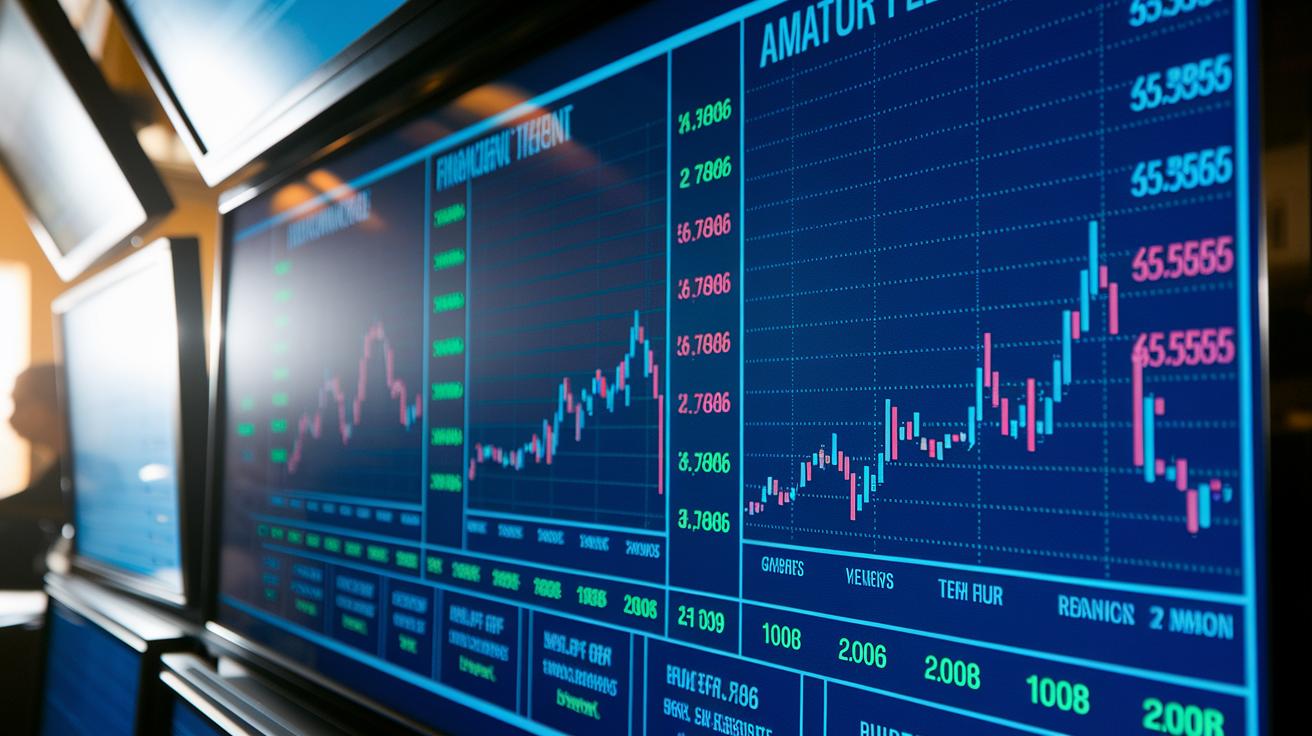
Top line: Recent yield data from major U.S. Treasury markets show that short-term rates remain low under tight Fed control while long-term bonds are demanding higher yields.
So what: A steeper yield curve signals that investors expect rising inflation and strong economic growth, pushing them to ask for more in return for longer commitments.
Data on the 3-month, 2-year, 10-year, and 30-year bonds is updated regularly. Short-term yields track Federal Reserve policy, while longer-term yields reflect inflation worries and global demand shifts.
Recent figures show a noticeable rise in the spread between the 2-year and 10-year bonds. In plain terms, a wider gap means investors now need extra reward when locking in money for extended periods.
| Maturity | Yield (%) | Spread vs 3M (bps) |
|---|---|---|
| 3M | 0.45 | 0 |
| 2Y | 1.25 | 80 |
| 10Y | 1.85 | 140 |
| 30Y | 2.05 | 160 |
This shift in the yield curve suggests market optimism. When the curve steepens, it generally means that investors are willing to take on extra long-term risk in exchange for higher returns, reflecting their confidence in future growth despite concerns over inflation.
Yield Curve Today in Historical Perspective
The yield curve can take one of three forms: normal, flat, or inverted. In a normal curve, investors earn more for longer-term bonds because they expect steady growth and moderate inflation. For more details, check out the bond yield curve explained (https://bankingcorner.com?p=270).
Normal Yield Curve
A normal yield curve shows that the economy is on track. Investors expect a higher return for bonds with longer maturities. This reflects confidence in ongoing growth and moderate inflation pressures. More info can be found here: bond yield curve explained (https://bankingcorner.com?p=270).
Flat Yield Curve
A flat yield curve happens when the rates for short-term and long-term bonds are nearly the same. This usually signals a time of uncertainty where future growth is being re-evaluated. For further explanation, see bond yield curve explained (https://bankingcorner.com?p=270).
Inverted Yield Curve
An inverted yield curve occurs when short-term yields are higher than long-term ones. This pattern has often warned of recession risks by suggesting tighter credit conditions ahead and slower economic growth. Read more at bond yield curve explained (https://bankingcorner.com?p=270).
Today, the curve is shifting away from inversion and moving toward a normal shape. This change aligns with historical trends where a normal curve supports growth. Investors are starting to see more positive signals as the market shifts direction.
Yield Curve Today as a Recession Signal

Top line: An inverted 2-year/10-year yield spread is warning us of a recession. So what: Traders should watch for this sign as it has historically come before economic downturns.
The yield curve is showing signs of trouble. When short-term rates exceed long-term rates, it suggests worries about future growth. For decades, every U.S. recession has followed an inverted yield curve.
Historically, investors have noticed that when the 2-year rate tops the 10-year rate, a recession usually follows. Market participants have tweaked pricing strategies during these periods of concern about economic health.
By combining yield curve data with other indicators like the Purchasing Managers Index (PMI) and unemployment trends, we get a clearer economic picture. This integrated approach sharpens risk assessments and guides more detailed forecasts.
Investors’ Strategies Around the Yield Curve Today
Investors are now using daily shifts in the yield curve to sharpen their fixed income game. These daily moves show yield expectations and help traders decide if they need to change portfolio duration, adjust sectors or credit quality, or shift their market positions. By keeping an eye on these signals along with other economic data, investors can quickly act on emerging risks and income opportunities.
Key strategies include:
- Adjusting portfolio duration
- Rotating sectors or credit quality
- Trading yield-curve spread plays
- Hedging duration with futures or options
- Increasing cash allocations
These real-time yield curve changes serve as a dashboard for aligning assets with current market sentiment. Many investors switch into shorter-maturity bonds during volatile periods or try yield-curve spread trades to capture extra rewards. Others use futures and options to hedge portfolio duration when uncertainty ramps up. By matching yield curve cues with their risk tolerance and income needs, investors keep their portfolios balanced while adapting to changing market dynamics. This proactive handling is crucial in today's fast-moving rate environment.
Final Words
In the action, our discussion unraveled key insights from today’s yield phenomenon. We examined the U.S. Treasury yield curve’s recent steepening, compared historical curve patterns, and linked inversion signals to past recessions.
Our review of investor tactics showed how traders adjust portfolios based on yield curve today (what it signals). The analysis emphasizes a balanced perspective on market confidence and risk management. A clearer view of yield data helps shape smarter strategies and timely moves in dynamic markets.
FAQ
What does the yield curve signal in today’s graph?
The yield curve signals market expectations by mapping bond yields across different maturities, offering insights into growth prospects and inflation outlook.
How does an inverted yield curve predict economic downturn?
The inverted yield curve, where short-term rates exceed long-term ones, has historically warned of recessions, suggesting upcoming economic slowdowns.
What does a humped yield curve indicate?
A humped yield curve, with mid-term yields higher than both short- and long-term yields, indicates an unusual shift in market sentiment that can reflect transitional economic conditions.
What does a steep yield curve mean?
A steep yield curve shows a significant gap between lower short-term and higher long-term yields, signaling that investors demand extra return for longer-term risk.
What is a yield curve?
A yield curve is a graph plotting bond yields for different maturities, providing a snapshot of market expectations on interest rates and economic growth.
What does a flat yield curve signal?
A flat yield curve, with minimal differences between short and long-term yields, signals market uncertainty and a potential transition phase in economic expectations.