BREAKING NEWS: Primary vs Secondary Markets
Top line: Primary markets offer new issues that fuel growth, while secondary markets keep investments liquid.
So what: Both systems work together to move money from companies to everyday investors, ensuring a steady flow of capital.
Ever wonder if buying something new is more exciting than trading something used? In finance, this debate plays out between two key markets. In primary markets, companies issue fresh securities like IPOs (initial public offerings) to raise funds and support growth. Once the new issues are out, secondary markets take over by letting investors buy and sell these securities, keeping the market active.
What to watch:
• Watch for new IPO releases that signal primary market activity.
• Track trading volumes in secondary markets to gauge investor sentiment.
Together, these markets create a system where money flows smoothly from creators to investors, keeping the economy moving.
Market Structure Fundamentals: Primary vs Secondary Markets
Market structure sets up the rules for how companies and governments issue securities and how investors trade them. It shows the path that money takes from the originator to the buyer and then among investors.
The primary market is where new stocks and bonds are made available and sold for the first time. When a company launches an IPO (initial public offering), it sells shares to the public to raise funds for new projects, growth, or handling debt. This market is the starting point for securities, providing the funds needed for expansion.
On the other hand, the secondary market is where investors trade securities after they have been issued. Here, trading happens on platforms like the NYSE and Nasdaq, with prices changing in real time based on supply and demand. In short, the primary market creates fresh capital while the secondary market keeps investments liquid and allows prices to adjust as market conditions change.
This two-part system ensures a balanced financial environment by combining initial funding with ongoing trading activity.
Primary Market Mechanisms in Market Structure

The primary market is where companies and governments raise cash by issuing new securities directly to investors. When a private firm goes public through an IPO (Initial Public Offering), it sells shares for the first time to fund growth or start new projects. Similarly, governments or large companies may issue bonds with the help of underwriting syndicates to support public programs or expansion efforts. Underwriters play a crucial role by verifying details (due diligence), setting opening prices through a book-building process, and managing share distribution.
- Select an underwriter – Companies team up with firms that guide them through the issuance process.
- Regulatory filings – Issuers compile and submit necessary documents to regulators like the SEC (Securities and Exchange Commission).
- Pricing/book-building – Underwriters collect investor feedback to lock in a competitive price. Think of it as setting an opening bid, for example, at $15 per share based on market appetite.
- Share allocation – Shares are distributed among investors in a way that balances institutional and retail demand.
- Listing – Finally, the securities are listed on an exchange, marking the official start of public trading.
Once issued, newly listed securities enter a phase where active trading reflects investor sentiment and economic signals. During this period, underwriters might stay on to help ease early price volatility as more trading data comes in. Quick price swings right after an IPO often mirror initial market uncertainty before the stock settles into a steadier pattern. This phase is critical because it sets the tone for future investor confidence and shapes the issuer’s overall financial strategy.
Secondary Market Trading in Market Structure
In the secondary market, investors trade securities that have already been issued on exchanges like the NYSE and Nasdaq. This is a busy environment where retail investors, large institutions, and broker-dealers all interact. Think of it as a bustling trading floor where everyone has a role, whether they are chasing quick opportunities or building long-term portfolios.
Trading platforms here use strong order-matching systems that quickly connect buyers and sellers, similar to a computerized auction. In this process, prices change in real time based on how many shares people want to buy or sell. For instance, if more investors want to sell a stock than buy it, the price drops until buyers see value at the new level. This system of constant adjustment helps keep the market balanced and gives a clear picture of investor sentiment at any moment.
A major benefit of the secondary market is its liquidity. High trading volumes mean that investors can easily buy or sell shares without moving prices too much. This quick, smooth trading builds confidence and supports a stable flow of capital, making the market dynamic and responsive to changing conditions.
Comparative Analysis of Primary vs Secondary Market Structures
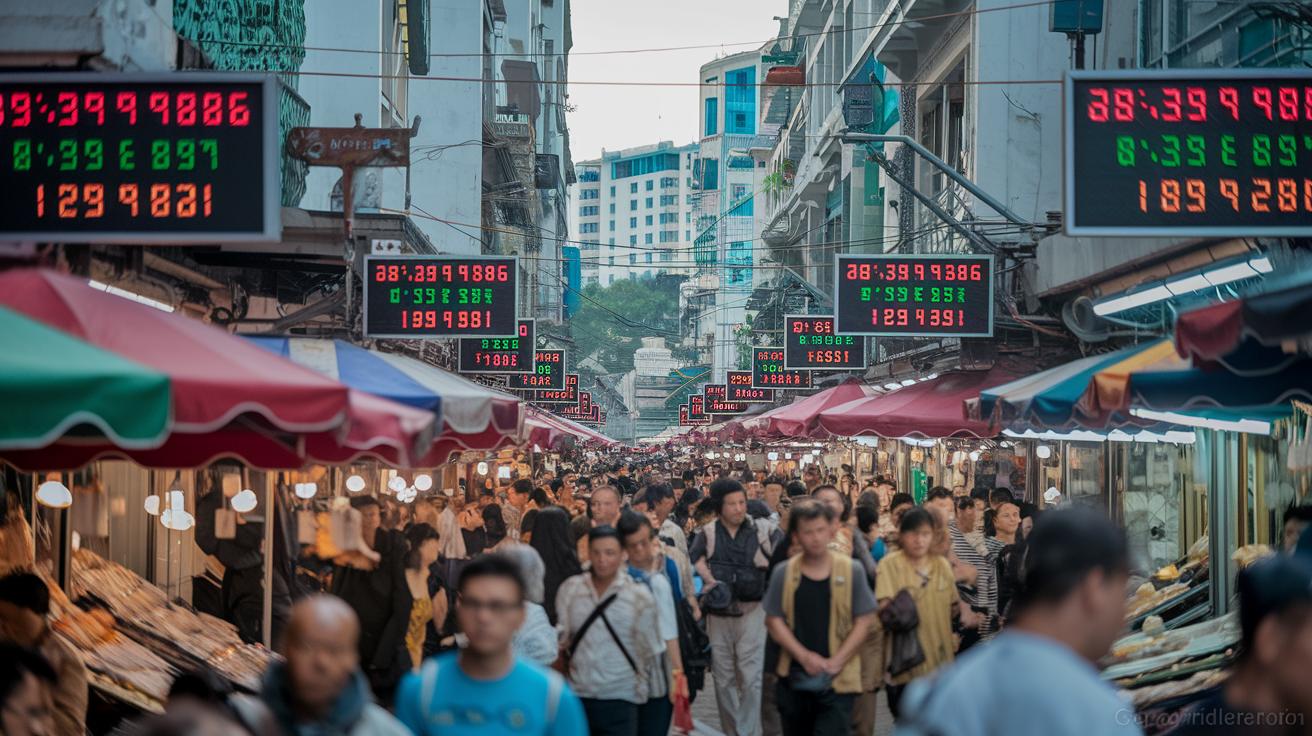
This section examines how local regulations and market challenges shape pricing and liquidity. For instance, emerging market issuers may see more price swings in secondary trading if their systems are still developing. In one recent case, a Southeast Asian firm experienced slower liquidity as new local rules impacted trading volumes.
| Feature | Primary Market | Secondary Market |
|---|---|---|
| Issuance purpose | Raising funds with regional factors sometimes affecting underwriting methods | Trading between investors, where local conditions can sharpen price movements |
| Price determination | Set pricing during underwriting; in some regions, book-building can be influenced by new regulations | Market-driven pricing that can be more volatile in areas with evolving regulatory frameworks |
| Liquidity | Often lower at first; local market maturity may delay stable liquidity | Usually higher, though liquidity can drop in less-developed markets |
| Participants | Issuers and initial investors influenced by local investment culture | A broader group including cross-border investors in well-connected financial regions |
| Transaction costs | Underwriting fees and regional regulatory expenses that differ by market | Broker commissions and fees, which can be higher in areas with limited competition |
| Risk profile | Lower short-term risk thanks to regulated pricing, though regional compliance issues remain | Exposed to market fluctuations and varying regulatory oversight across areas |
| Lifecycle stage | Focus on the initial issuance, often timed with local market cycles | Continuous trading, with performance sometimes lagging in certain regions |
This summary shows how regional differences and local rules can greatly influence trade execution and market risks.
Regulatory Oversight and Intermediaries in Market Structures
Top line: In primary markets, companies register with regulators like the SEC and provide detailed information that builds investor confidence. In secondary markets, strict exchange rules and centralized clearing ensure smooth, fair trading.
In primary markets, companies must file with bodies such as the SEC (Securities and Exchange Commission) and include a detailed prospectus outlining business plans and risks. This registration gives investors all the vital facts before buying new securities. Underwriters back these deals by checking the details, doing proper due diligence, and taking on the risk of setting and distributing the shares. Their work is key to building trust by meeting all regulatory rules and making sure initial prices match market conditions.
In secondary markets, strict exchange rules and active market surveillance maintain oversight. Trades are cleared through centralized institutions like the DTCC (Depository Trust & Clearing Corporation), which efficiently handles transactions on a T+2 basis (settlement two days after trade). Broker-dealers play a central role by executing orders and ensuring that each transaction complies with regulatory standards. Their efforts help maintain a fair market by managing order flows, verifying each trade, and providing the transparency investors need to make informed decisions.
Evolution and Innovation in Market Structure
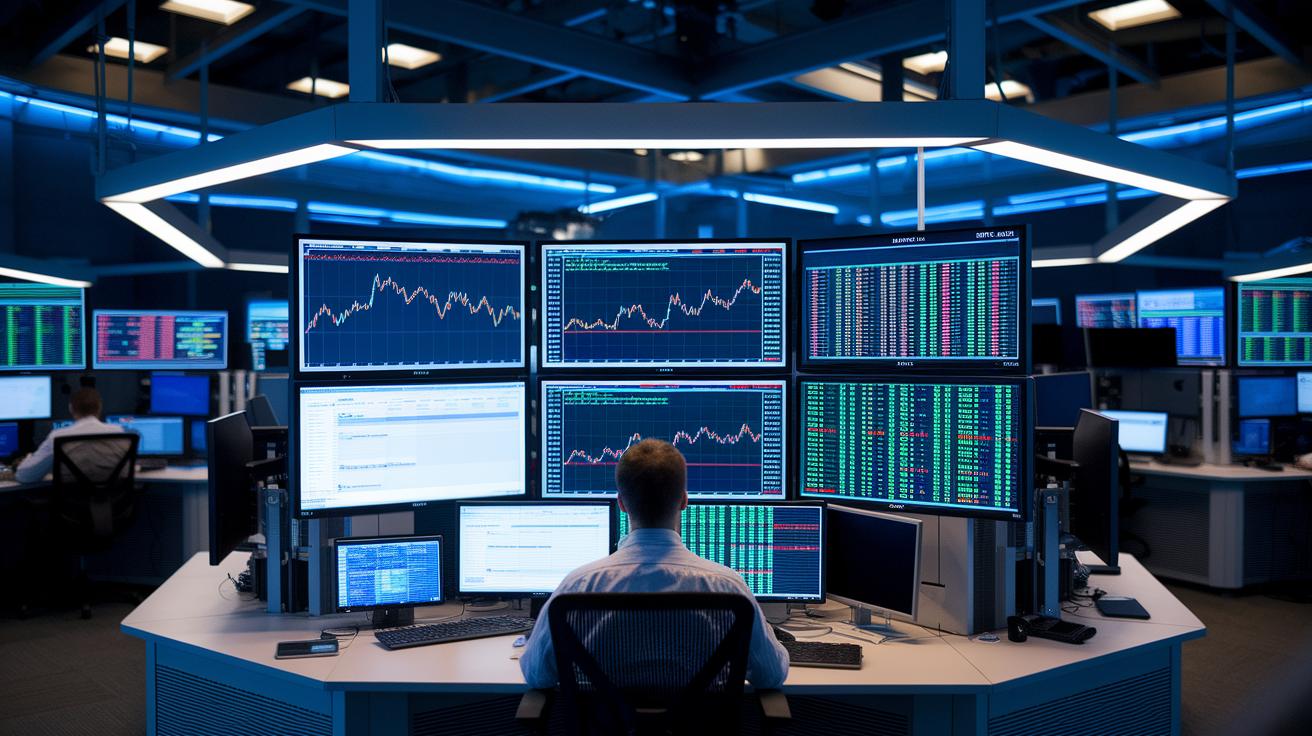
Trading has moved from the traditional open-outcry floor to digital order books that offer more speed and transparency. Today, orders are filled almost instantly. One trader once compared the change to switching from a rotary phone to instant messaging. This shift has removed many delays of physical trading, allowing prices to be discovered more quickly.
Algorithmic and high-frequency trading now execute transactions in a fraction of a second. Dark pools and electronic communication networks serve as alternative trading spots that add extra liquidity. Think of them as private areas where large orders are matched so that trades remain efficient even during high volumes.
New technologies like blockchain-based exchanges and real-time settlement systems are reshaping market structures. They promise secure, nearly instant confirmation of transactions, which boosts opportunities for quick capital growth. By shortening settlement times and providing clear records, these innovations set a new standard in trading.
Final Words
In the action, we unpacked market structure explained (primary vs secondary markets) to clarify how new securities are issued and later traded.
We broke down key functions, capital issuance through IPOs, underwriter roles, price discovery, liquidity, and the switch from traditional methods to digital platforms.
This overview bridges the gap between creation and trading, equipping you with clear, actionable insights. The analysis highlights distinct market roles and evolving tech trends, reinforcing trade-ready ideas for better decision-making and improved risk management.
FAQ
What are primary and secondary market examples?
Primary market examples include a company issuing an IPO, while secondary market examples involve trading these stocks on exchanges like the NYSE among investors.
How is market structure explained in primary versus secondary markets in class 12?
Market structure in class 12 explains that primary markets raise capital through initial securities issuance, whereas secondary markets facilitate ongoing trading of those securities among investors.
What is the difference between primary and secondary markets using a comparison chart?
A comparison chart shows primary markets issue new securities with fixed pricing and limited liquidity; secondary markets trade existing securities with variable pricing and higher liquidity.
What is a primary market example?
A primary market example is a private company launching an IPO, selling shares for the first time to raise funds for expansion or new projects.
Where can I find a PDF on primary and secondary markets?
A PDF on primary and secondary markets provides detailed explanations of how new securities are issued and later traded, offering clear educational material on capital markets.
What is the primary market definition?
The primary market is defined as the platform where companies or governments issue new securities directly to investors to raise capital, marking the birth of those financial instruments.
What is the 7% sell rule?
The 7% sell rule is a guideline that may trigger a sell order when a security’s price moves 7% from its purchase value, helping investors manage potential gains or losses.
Who owns 90% of the stock market?
The 90% stock market ownership is typically attributed to large institutional investors like mutual funds and pension funds that hold the majority of market capitalization.
What are the 4 types of trading?
The 4 types of trading generally include day trading, swing trading, position trading, and scalping, each with its own timeframe and risk management techniques.
What are the 4 types of financial markets?
The 4 types of financial markets are primary, secondary, money, and derivative markets, each serving different roles from initial issuance to risk management and liquidity.
What defines a secondary market?
A secondary market is defined as a venue where existing securities are traded among investors, ensuring liquidity and continuous price discovery after the initial issuance.
What defines a primary market?
A primary market is defined as the platform where new securities are issued directly by companies or governments to raise necessary capital for operations or expansion.
What is a stock exchange?
A stock exchange is a regulated marketplace that facilitates the buying and selling of securities, enabling price discovery, trading transparency, and liquidity for investors.
How is a capital market structured?
A capital market is structured to connect those in need of funds by issuing securities with investors looking for returns, integrating both primary and secondary markets for efficient trade.
What is an investment?
An investment is the allocation of money into financial assets like stocks or bonds with the goal of generating a return or achieving long-term asset growth.
What is a security?
A security is a tradable financial instrument, such as a stock or bond, that represents either ownership in a company or a creditor relationship with an issuer.