MARKET BRIEF
Top line: U.S. companies report earnings quarterly in four waves, stirring market action.
So what: Knowing when these reports roll out helps you spot trends and adjust your trading strategy.
Every quarter, U.S. companies release their earnings outside of regular trading hours. This creates bursts of trading activity that can shift market dynamics quickly. Whether it’s the January kick-off or the October Q3 rush, these earnings reports can give you a clearer sense of market trends.
Stay tuned as we outline the key dates and what to expect during these critical earning seasons.
U.S. Earnings Season Schedule and Key Dates
Top line: U.S. companies report earnings in four waves each year that affect trading and market trends.
You can review the earnings calendar to see when big companies announce their quarterly results. In the U.S., these reports roll out in four cycles. Each cycle covers the previous quarter and brings a cluster of announcements that boost trading and can shift prices. Most companies share their results outside regular market hours, often before the open or after the close, to keep market swings to a minimum.
Here’s how the cycles break down:
• In January, companies release their Q4 results from the previous year. This first wave sets the mood for the coming year.
• In April, Q1 reports come out. This period gives the first peek at how companies are bouncing back or moving ahead early in the year.
• In July, the market sees Q2 results. This middle wave often sends mixed signals as traders adjust their views based on half-year trends.
• In October, Q3 reports make their debut, and the timing may stir extra volatility as traders get ready for the holiday season.
Companies typically issue their reports about six weeks after a quarter ends. This means the announcement periods can stretch over several weeks. Because the timing of these reports impacts market activity, traders should keep an eye on key dates to plan their strategies effectively.
Quarterly Earnings Waves in the U.S. Calendar

Earnings reports do more than mark dates on the calendar. They set market expectations, prompt investors to adjust their positions, and sometimes hint at a shift in trends. These scheduled reports often bring higher trading volumes and increased price swings during key periods.
• January (Q4) kicks off the year with important results. These numbers can lead investors to rebalance their portfolios after the previous year. As an aside, think of unexpected revelations like how Marie Curie once carried radioactive test tubes in her pockets before the dangers were known, surprises can change the game.
• April (Q1) shows early signs of growth or recovery. Traders look to these reports to decide if the momentum will continue throughout the year.
• July (Q2) brings mixed signals. Mid-year progress reports give investors clues that they carefully analyze for longer-term trends.
• October (Q3) is a key period to gauge year-end outlooks and holiday sales. Sometimes, small changes in filing dates can cause short-lived misreads in market sentiment.
Occasionally, companies adjust their report dates due to unique industry cycles or strategic choices, adding extra nuance to the usual six-week rhythm after a quarter ends.
Earnings Season Reporting Timeline and Regulatory Deadlines
Top line: Companies report quarterly results during a busy earnings season under strict regulatory timetables.
So what: Watch for key filing dates as they often spark market moves.
Earnings season is a concentrated time when many companies share their quarterly financial results. They must file these reports on a set schedule determined by regulatory authorities to keep the market fair. Often, you’ll see companies releasing their numbers either before the market opens or after it closes to avoid disrupting regular trading.
The process follows detailed rules that determine exactly when and how firms release their earnings. For example, many companies choose to file after the market closes to prevent sudden price swings, much like a runner precisely timing the start of a race. This methodical schedule lets traders know when to expect vital financial data, helping maintain a uniform trading environment.
Traders should stay alert for these filing dates, as they signal momentous updates that may cause increased market volatility.
Industry Reporting Order and Sector Timing in U.S. Earnings Season

Banks kick off the earnings season with major names like J.P. Morgan (JPM, NYSE), Goldman Sachs (GS, NYSE), Wells Fargo (WFC, NYSE), and BlackRock (BLK, NYSE). Their early results set the stage for financial conditions, and any surprises here can quickly affect overall market sentiment.
Next up are industrial companies such as Caterpillar (CAT, NYSE) and Honeywell (HON, NYSE). These firms offer a peek into global demand and operational performance in capital-heavy industries.
Technology giants then take center stage with players like Microsoft (MSFT, Nasdaq), Apple (AAPL, Nasdaq), Nvidia (NVDA, Nasdaq), and Amazon (AMZN, Nasdaq). Their numbers tend to drive strong trading volumes and investor buzz, signaling shifts in innovation and consumer habits.
Finally, retailers like Walmart (WMT, NYSE), Target (TGT, NYSE), and Home Depot (HD, NYSE) round out the season. Their reports shed light on consumer spending and the overall health of the economy.
- Banks
- Industrials
- Technology
- Retailers
This reporting order lets traders plan for shifts in market volatility as each sector reveals its own story.
Market Volatility and Timing Effects During Earnings Season
Top line: Clustered earnings reports can quickly drive sharp price moves.
So what: Keeping an eye on scheduled reports is key to managing risk when markets shift fast.
Earnings announcements often happen within a short window. When many companies report at once, investors face a flood of new numbers. This quick succession forces fast trading and sometimes makes stocks move together. For example, if a tech company reports earnings that beat estimates by 30%, its shares might jump quickly in after-hours trading. Traders need to be on the ball when unexpected reports hit.
During these busy days, many traders cut back on their risks or use hedges to protect their positions. Quick price swings are common as everyone adjusts their holdings. Think of it like water splashing out of a burst pipe , one piece of news can spread rapidly across different sectors. This means both short-term traders and long-term investors can see sudden changes in their positions.
Traders and investors should stay alert during earnings season. Watch your calendar for report dates, and be ready to adjust your strategy as markets become more volatile.
Strategies for Traders and Investors in the U.S. Earnings Season
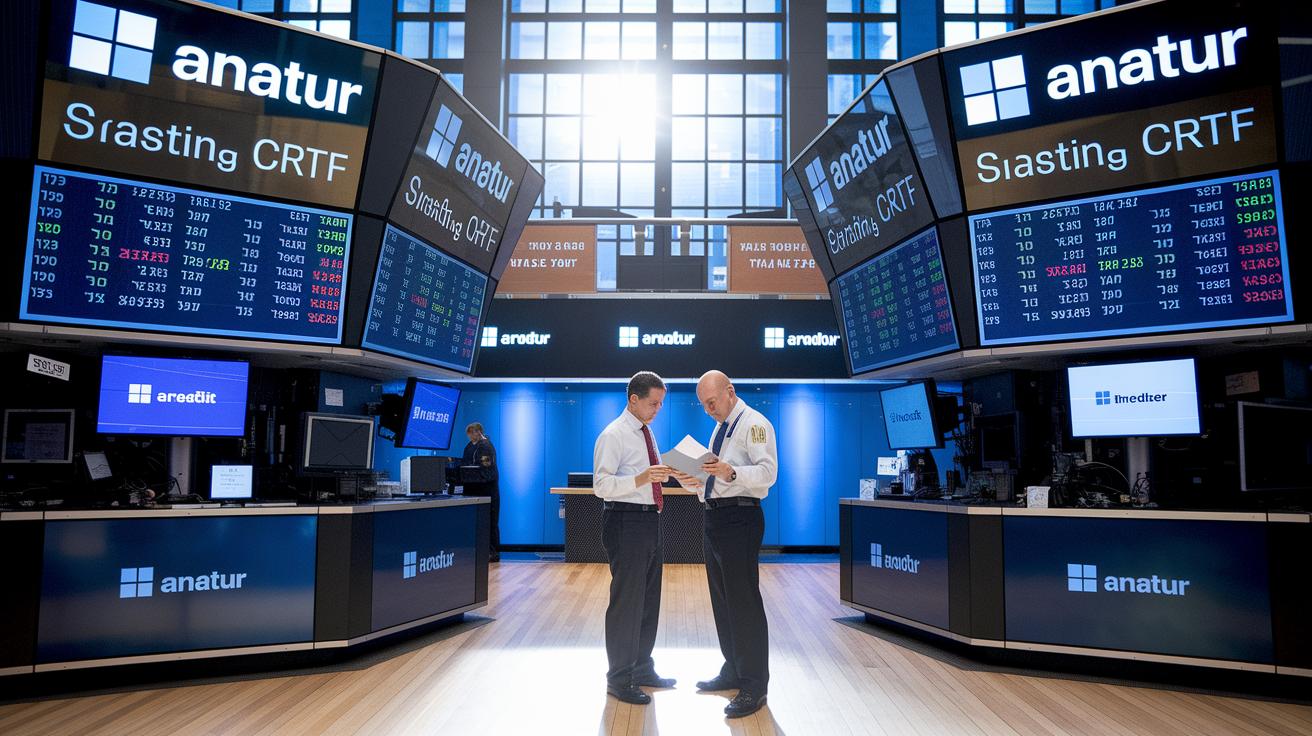
Top line: Companies report their quarterly results now, and markets react quickly. This season calls for nimble moves.
Market players often cut back on their positions when volatility increases. In simple terms, if a stock is known for big swings, traders might sell some shares to keep gains safe. For instance, if a long-term holding reports strong numbers early, many traders trim their exposure as they wait to see how similar companies perform.
Investors are picking stocks carefully right now. Focusing on early reporters, those companies that set the mood for the day, can help you adjust your portfolio based on clear market signals.
Using options can also serve as a safety net during sudden moves. Strategies like buying protective puts (insurance that limits losses) or setting up collars can reduce losses if a surprise result pushes prices down fast.
| Action | Description |
|---|---|
| Trim Positions | Reduce exposure in volatile stocks to secure gains. |
| Be Selective | Focus on early reporting leaders that set market sentiment. |
| Use Options Hedges | Protect your portfolio with strategies like protective puts or collars. |
Long-term investors can use these early signals to adjust their portfolios before the rest of the sector catches up. This balanced approach helps manage risk during a busy earnings season.
Global Comparisons: U.S. Earnings Season Versus Other Markets
U.S. companies report earnings on a set schedule, January, April, July, and October. In Europe, firms generally follow a similar cycle but with a few weeks' delay. This lag means that while U.S. earnings hit early in the quarter, European results follow shortly after, adding a staggered element to global discussions.
In Asia, especially in Japan, many companies wrap up their fiscal year in March. Their earnings often come out in May. This creates overlap in reporting times, which can sometimes blur the market’s immediate reaction.
This difference in timing matters if you track global market trends. Knowing that earnings reports are staggered around the globe helps explain why investors digest new information at different times. Adjusting your market view with these variations in mind can help you manage earnings season volatility better.
Final Words
In the action, this post broke down key U.S. earnings season dates. It detailed the four quarterly waves, covering regulatory filing timelines and sector reporting order while also addressing market volatility. The discussion offered clear strategies for traders managing risk during earnings season.
For those asking when is earnings season (us calendar and timing), this guide gives a precise schedule and actionable insights. Embrace the earnings window with confidence and a readiness to adjust your trading approach for positive market moves.
FAQ
When is earnings season on the U.S. calendar and how does it affect trading?
The earnings season on the U.S. calendar occurs in four waves—January, April, July, and October. This period drives market volatility as many companies report results pre-market or after-hours.
When is Q3 earnings season and what does it signal?
Q3 earnings season typically falls in October when companies release third-quarter results. This timing often sets market sentiment ahead of the final quarter.
When is Q2 earnings season and what should traders expect?
Q2 earnings season spans July as companies report second-quarter financials. Traders can expect clustered announcements and potential short-term volatility during this period.
When is earnings season for future years like 2025 and 2026?
Earnings seasons for future years follow the same quarterly schedule—January, April, July, and October. Specific dates depend on filing deadlines and market schedules.
What months are considered earnings seasons?
Earnings seasons typically occur in January, April, July, and October, when companies report quarterly results following strict regulatory deadlines and market reporting windows.
How can I find an earnings calendar for this week?
An earnings calendar, such as the one available on BankingCorner, provides detailed listings of company release dates, helping you track which firms report results during the week.
What is the typical timing of earnings releases?
The typical timing of earnings releases is around six weeks after the quarter-end, with companies often choosing pre-market or after-hours slots to announce results.
What is usually considered the worst month for stocks?
Historically, October has seen tougher market performance due to Q3 disclosures and shifting sentiment, though specific conditions and outcomes vary from year to year.
What is earnings season in trading and why is it important?
In trading, earnings season refers to the concentrated period when companies report their quarterly results, leading to increased volatility, trading volume, and short-term market shifts.