MARKET BRIEF
Top line: Small changes in raw material prices can move global markets.
So what: When commodity prices shift, it affects energy, groceries, and long-term contracts, setting off trends that impact everyone from producers to everyday consumers.
Commodities are the building blocks for many goods. Even a slight uptick or drop in pricing can change how much you pay at the store or how companies plan their supplies. Think of these prices as a simple health check for the market. When the numbers change, they signal if the market is strong or needs attention.
By understanding how these shifts work, you can make smarter moves whether you're trading, investing, or just keeping an eye on market trends.
What to watch:
• Energy prices
• Grocery costs
• Long-term contract updates
Understanding Commodity Pricing: Definition, Scope, and Importance
Top line: Commodity pricing sets the cost for raw materials, forming a key base for market deals.
So what: Small shifts in these prices can move global markets and affect everyday expenses.
Commodity pricing means deciding the cost for raw goods like metals (copper, gold), energy (crude oil, natural gas), and agricultural items (wheat, corn). This method gives everyone, from producers to consumers, a shared reference point for pricing. Companies often rely on today’s pricing trends to lock in long-term contracts, which helps manage market ups and downs.
The process covers several major groups that drive the global supply chain. Factors such as changes in production costs, shifts in supply and demand, and price benchmarks from top exchanges all play a part. These elements not only change the cost of raw materials but also impact everyday goods like food and fuel.
Understanding how prices for commodities are set is crucial. Even a small change in these prices can send ripples through global markets. Keeping track of the balance between production costs and consumer demand helps traders, investors, and policymakers make smarter decisions about the future. Essentially, commodity pricing provides a clear snapshot of economic health and market stability.
Commodity Pricing Methods: Fixed, Floating, and Market-Based Mechanisms

Fixed vs Floating Pricing
Top line: Fixed pricing locks in a set price ahead of time, while floating pricing adjusts the rate when the goods are delivered.
So what: Fixed pricing offers stability for budgets; floating pricing lets you benefit from current market trends.
Fixed pricing means both parties agree on a price for a specific delivery date. This helps protect against sudden price shifts. For instance, a supplier might set the cost for a wheat delivery next month to guard against unexpected price increases. In contrast, floating pricing ties the final contract price to the market rate at the time of delivery. This method reflects real-time market conditions, keeping the contract flexible. While fixed pricing gives certainty in planning, floating pricing can be advantageous if market prices drop.
Floor and Ceiling Mechanisms
Top line: Floor and ceiling pricing sets clear minimum and maximum limits, balancing gains and losses between parties.
So what: This method manages risk effectively by ensuring that neither side faces extreme market swings.
In a floor-and-ceiling system, the contract includes a minimum price (floor) and a maximum price (ceiling). When market prices move outside these bounds, any extra gains or losses are shared between the buyer and the seller. For example, in a copper contract, a set floor might protect against steep declines, while a ceiling locks in extra profits if prices surge. This structure keeps risk and reward in check during volatile market periods.
Market-Based Pricing: Benchmark vs Cost-Plus
Top line: Market-based pricing uses supply and demand to set prices, with benchmark and cost-plus as two common approaches.
So what: Each method suits different needs, whether you want to tie prices to global rates or ensure stable profit margins.
Market-based pricing determines a commodity’s value based on real-world buying and selling. Under benchmark pricing, contract prices anchor to widely accepted market rates, like using figures from the London Metal Exchange for copper, or from the Chicago Mercantile Exchange for oil. On the other hand, cost-plus pricing adds the production costs (raw materials, processing, etc.) to a fixed profit margin. This method helps producers keep their expected profits steady even when market conditions are unpredictable.
Key Factors Driving Commodity Pricing and Market Volatility
Commodity prices move with the basic push and pull of supply and demand. Supply depends on factors like how much producers can make, the cost of inputs, and new technology (for example, advanced machinery can boost production). Bad weather that stops production cuts supply and pushes prices up. On the demand side, consumer buying habits and industrial needs drive prices. When demand jumps, such as in a strong economic cycle, prices can rise quickly. Even small changes in supply or demand can cause noticeable price swings.
Economic measures like GDP, inflation, and interest rates also play a big role. When GDP is rising, it often means more demand for goods, which can lift commodity prices. On the flip side, high inflation can erode buying power and reduce demand. Currency changes matter too; a strong U.S. dollar makes commodities more expensive for foreign buyers, which can lead to tougher price pressures.
Political events and trade policies add to the mix. Instability in key regions or shifts in trade rules may lead to uncertainty and affect supply. Weather events such as hurricanes or droughts can cause unexpected supply shocks, further disturbing the market.
Below is an HTML table summarizing five key factors:
| Factor | Impact on Commodity Prices |
|---|---|
| Production Capacity & Input Costs | Changes supply levels and production expenses |
| Weather & Natural Disasters | Cause sudden supply shocks and price jumps |
| Economic Indicators (GDP, Inflation) | Affect demand levels and consumer buying power |
| Currency Fluctuations (USD Strength) | Impact costs for international buyers |
| Geopolitical Events & Policies | Create uncertainty that can disrupt supply |
Understanding these core factors is essential. Each element can set off a chain reaction in global commodity markets, giving traders, investors, and policymakers the insights they need to navigate shifting market conditions.
Benchmark Commodity Pricing: Understanding the Role of Exchanges
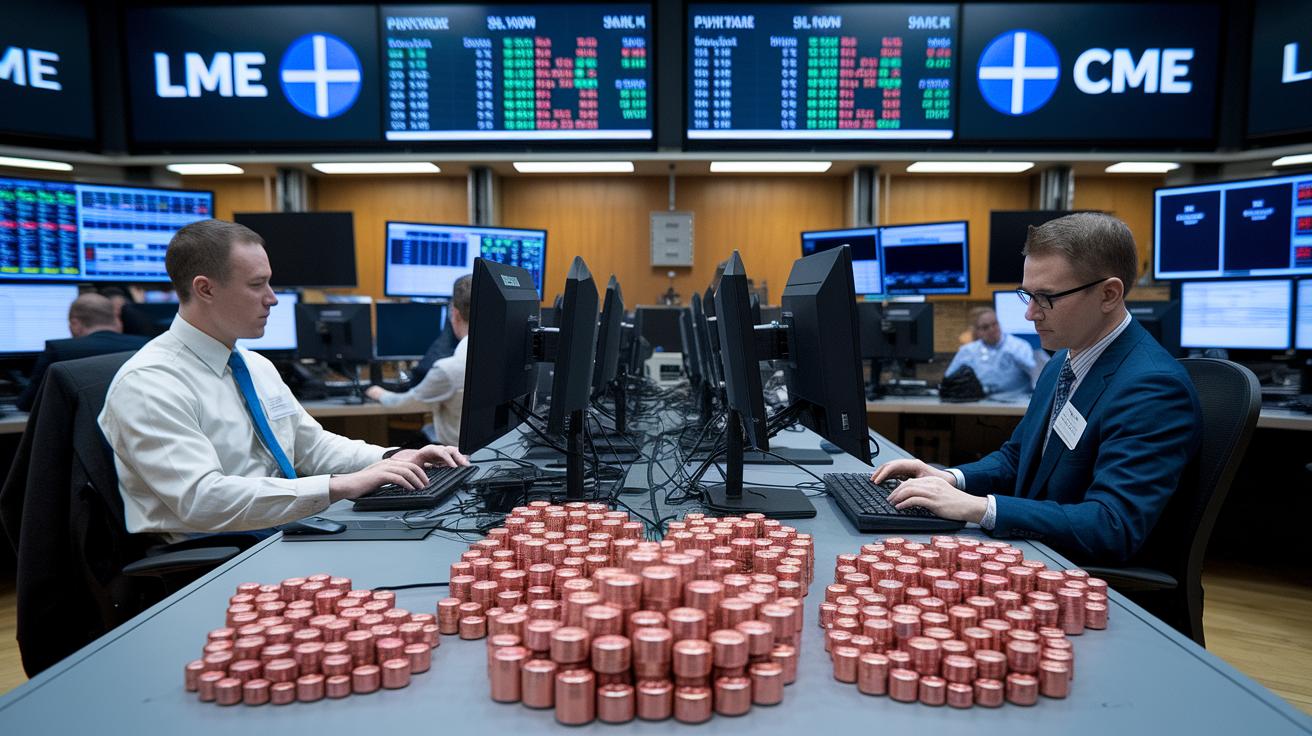
Benchmark commodity pricing is built around reference prices set by key exchanges. For example, the London Metal Exchange establishes the copper price standard, while the Chicago Mercantile Exchange does the same for crude oil. Trading contracts detail the commodity grade, quantity, delivery location, and delivery date. The base price in these contracts ties directly to these well-known figures and can change until the contract is settled, giving traders a solid and commonly accepted reference point.
The term basis means the difference between the local cash price and the exchange benchmark. This figure is important because it shows how local prices compare to global trends. Traders can use commodity price charts to track these differences and understand how local pricing aligns with or diverges from international benchmarks.
what is commodity pricing: Unlock Smart Trends
Top line: Commodity pricing lets traders, investors, and finance pros tackle market shifts by using real data to guide trades and hedges. So what: Understanding these basics helps you better respond to supply and demand changes.
Commodity pricing involves buying and selling goods to take advantage of price moves. For example, a trader might buy a crude oil futures contract, expecting prices to rise due to supply cuts. Meanwhile, producers and consumers use tools like futures or options (agreements to buy or sell at a set price later) to lock in prices and avoid losses. Think of it like locking in the price of wheat today to guard against future drought-induced shortages.
Risk management here means choosing the right contracts and relying on solid forecasts. Many use data-driven analytics and predictive models (tools that analyze numbers to guess market moves) to spot overbought or oversold conditions. If production costs suddenly spike, it could signal a shift in the supply-demand balance, prompting traders to adjust their positions to cut potential losses.
Investors should mix speculative trades with hedging to keep risks in check. Key steps include:
- Identifying market trends using reliable pricing data.
- Picking contract types that match your comfort with risk.
- Leveraging forecasting models to nail down timing.
This balanced approach helps you stay one step ahead, making smarter decisions whether you’re trading, hedging, or investing in commodities.
Final Words
In the action, our discussion broke down the basics of commodity pricing, from fixed and floating methods to market-based approaches. We examined how factors like weather, economic indicators, and geopolitical events drive price volatility. We also reviewed the role of benchmark exchanges in setting reference prices and how traders use these insights to manage risk and seize opportunities.
Ultimately, understanding what is commodity pricing equips you with the clarity needed to navigate the market and make smart decisions.
FAQ
What is commodity pricing?
Commodity pricing means setting prices for standard goods like metals, energy, and agricultural products. It factors in supply, demand, production costs, and market speculation, guiding both trading and everyday pricing decisions.
What is commodity pricing in the stock market?
Commodity pricing in the stock market involves establishing prices for raw materials traded on exchanges. It reflects market fundamentals and global events, helping traders gauge value and manage risk.
What is commodity pricing investing?
Commodity pricing investing uses price fluctuations of raw materials as an investment strategy. Investors analyze supply and demand trends to profit from price changes in sectors like energy, metals, and agriculture.
What was commodity pricing like in 2022?
Commodity pricing in 2022 was notably volatile due to supply chain issues, inflation pressures, and geopolitical events. These factors influenced prices across metals, energy, and agricultural products.
What is a commodity in economics and in simple terms?
In economics, a commodity is a standardized raw material or primary good, like wheat or gold, that is interchangeable and traded globally. Simply put, it’s a basic building block of the market.
Are items like paper and meat considered commodities?
Both paper and meat are considered commodities because they are standardized products traded in global markets. Their prices are influenced by supply, demand, and various economic factors.
What are the 4 types of commodities?
The four main types of commodities are generally metals, energy, agricultural products, and livestock. This categorization helps market participants track pricing trends effectively.
How do commodity prices work?
Commodity prices work through the interplay of supply and demand. Factors such as production costs, weather events, geopolitical issues, and market speculation drive price movements and trading decisions.