
MARKET BRIEF
Top line: Major forex pairs like EUR/USD, USD/JPY, GBP/USD, and USD/CHF account for roughly 80% of daily trades. They are popular because they offer low costs, fast execution, and deep liquidity.
So what: Traders benefit from tight spreads and abundant liquidity, which helps lower risk and keeps trade costs down in fast-moving markets.
What to watch:
• Spreads – the difference between buying and selling prices
• Trade execution speed and available liquidity
Why It Matters
Many traders favor these key pairs for a good reason. They cut trading costs by offering narrow spreads and fast execution. With deep liquidity (meaning there’s plenty of buyers and sellers), these pairs handle large trades without major price swings. This makes them a safe bet when markets move quickly.
Bottom line: Sticking with major pairs can simplify your trading strategy while keeping costs low and execution reliable.
Major Currency Pairs (Most Traded and Why) Thrive
Top line: Major currency pairs are the workhorses of the forex market, making up over 80% of daily trading. So what: Their high liquidity lowers costs and ensures fast trade execution.
The main players, EUR/USD, USD/JPY, GBP/USD, and USD/CHF, draw heavy trading due to tight spreads and deep liquidity. In 2022, traders moved roughly $7.5 trillion each day through these instruments.
EUR/USD leads, handling about 30% of daily flows. This pair links the Eurozone and the United States, while the US dollar appears in nearly 88% of all trades, emphasizing its central role. Think of the EUR/USD pair as the heartbeat of forex markets, steady and liquid.
USD/JPY attracts traders when market risk rises because the yen is seen as a safe haven (an asset that holds its value during uncertainty). Meanwhile, GBP/USD, also known as Cable, is popular for its wide intraday swings, making it a favorite among those who thrive on volatility. And then there’s USD/CHF, the “Swissie,” prized for its stability during turbulent times.
High liquidity in these pairs means lower trading costs and minimal slippage. This makes them key benchmarks and guides for forex trading strategies and risk management.
In-Depth Analysis of Top Major Currency Pairs
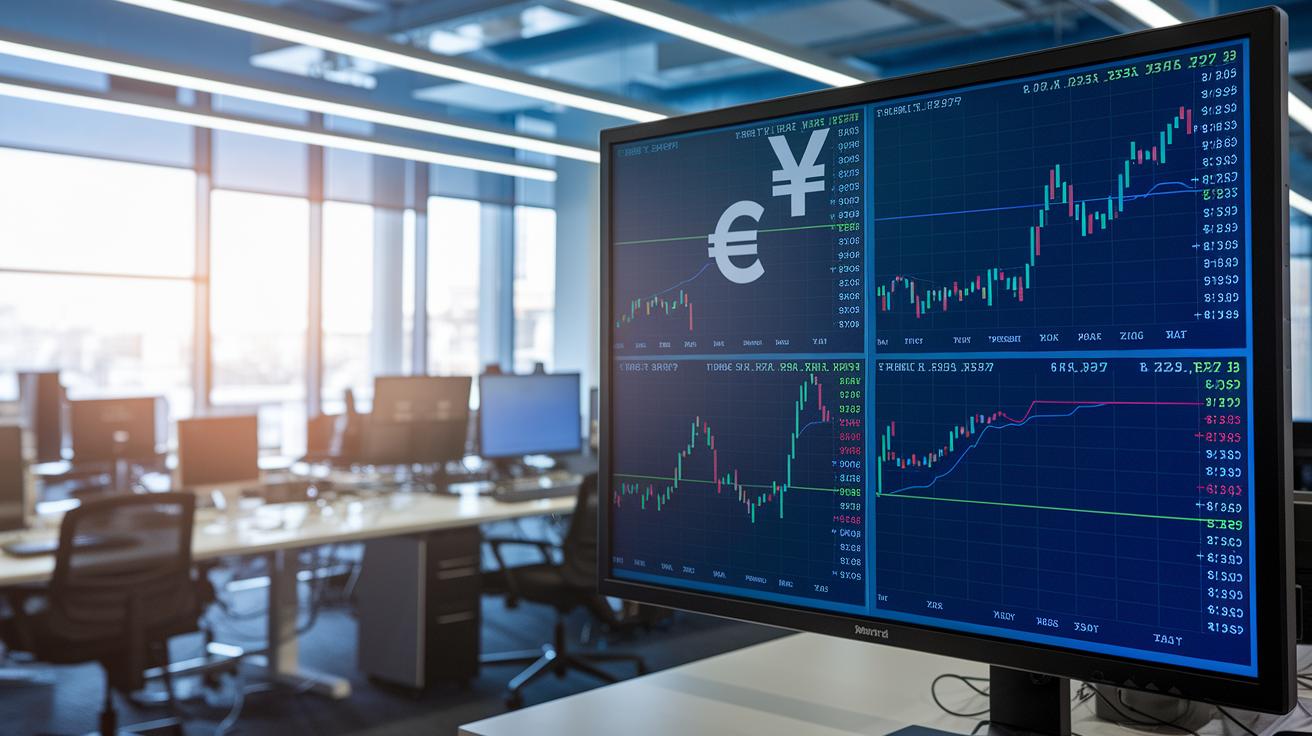
EUR/USD stands out for its low trading fees and tight spreads. This pair connects the Eurozone and the United States, drawing on strong economies from both regions. Its high liquidity means trades execute quickly with little price slippage. For example, before major policy changes, EUR/USD usually posts very narrow spreads, a clear win for cost-conscious traders.
USD/JPY earns its safe-haven reputation when global risk shifts. The Japanese yen, favored during market stress, can trigger sharp moves in this pair. In times of uncertainty, investors often flock to the yen, and traders see significant price swings as a result.
GBP/USD, known as Cable, is famous for its volatility. Frequent news updates from the United Kingdom and the United States often cause quick intraday moves. Active traders enjoy this dynamic, but it demands precise timing. Think of watching Cable during a big economic announcement, the price can change rapidly.
USD/CHF, sometimes called the Swissie, is backed by the stable Swiss franc. Its narrow spreads and predictable behavior make it a safe choice during turbulent market conditions. When things get rough, USD/CHF acts like a calm harbor, offering a secure option for risk-averse traders.
Each pair has its own flavor: EUR/USD excels on cost efficiency, USD/JPY provides safe-haven appeal, Cable offers lively volatility, and USD/CHF delivers steady reliability. These differences let traders fine-tune their strategies to match their liquidity needs and market outlook.
Commodity Currency Pairs and Their Importance
Top line: Commodity currencies are driven by nations that export raw materials. So what: Fluctuations in commodity prices can create clear trading opportunities, especially compared to the more stable G10 currencies.
Commodity-linked pairs like AUD/USD, USD/CAD, and NZD/USD get their moves from metals, oil, and dairy exports. For example, when oil prices rise, Canada’s export focus on oil pushes the Canadian dollar (CAD) to react sharply. Similarly, Australia’s economic ties with metals mean the Australian dollar (AUD) usually follows metal price trends, while New Zealand’s dairy exports cause the New Zealand dollar (NZD) to move with global dairy auction results.
This behavior contrasts with traditional G10 currencies, which lean more on broad monetary policies and diverse economies. In practice, traders see that commodity currencies can swing more widely when raw material prices shift. A spike in oil demand may lift the USD/CAD, and falling metal prices can widen the spread for AUD/USD.
| Currency Pair | Linked Commodity | Example Reaction |
|---|---|---|
| USD/CAD | Oil | Rises with increased oil demand |
| AUD/USD | Metals | Moves with changes in metal prices |
| NZD/USD | Dairy | Follows trends in global dairy auctions |
Knowing these dynamics gives traders a unique edge. During major shifts in commodity prices, such as a big change in oil, traders have seen the USD/CAD clearly stand out from its more stable counterparts. This link to physical commodities creates distinct market moves that can be very useful when planning trades.
Liquidity and Volatility Drivers Behind Major Pairs
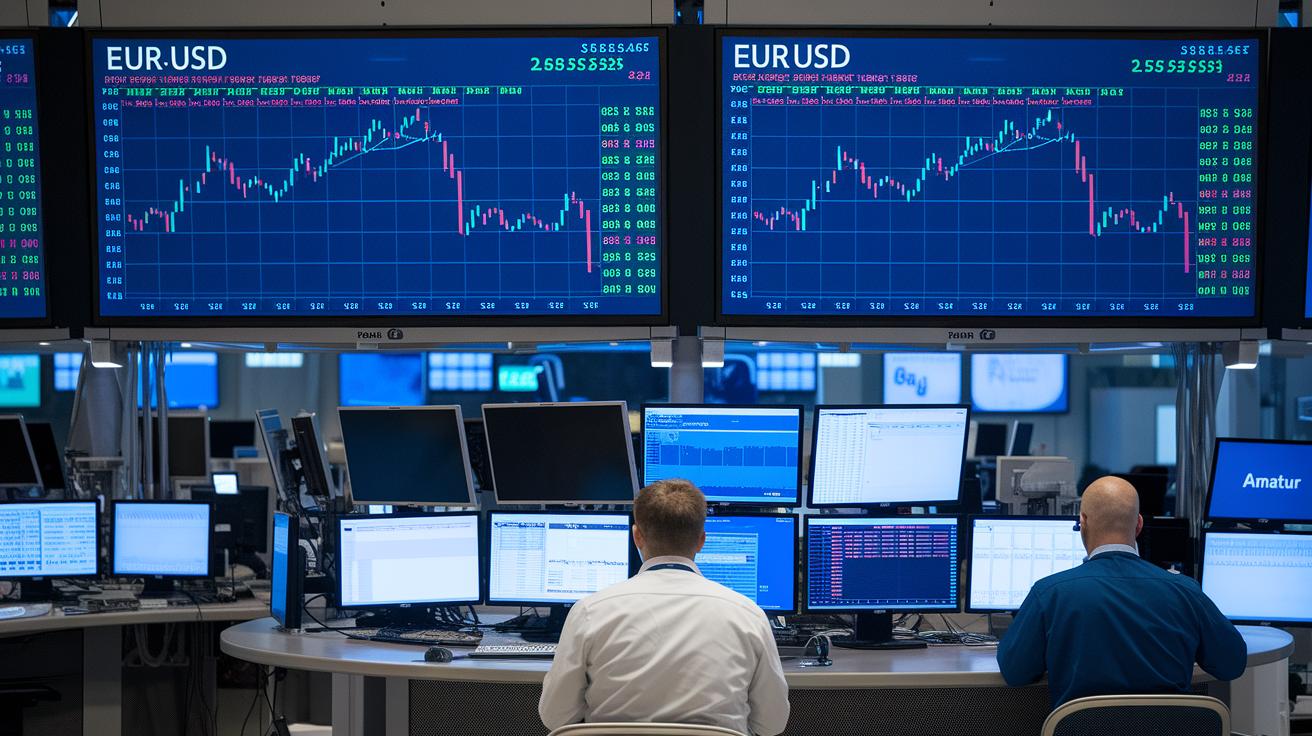
Major currency pairs trade with deep liquidity. This means you usually see very tight bid-ask spreads and little slippage. When you place an order on a pair like EUR/USD (a popular currency pair), the high trade volume ensures your order is filled quickly and near the price you expect.
Economic reports, such as employment numbers, inflation data (consumer price index or CPI), and business surveys (purchasing managers' index or PMI), can cause sudden price shifts. When these reports are released, trading volumes spike and volatility briefly intensifies. So if a surprise CPI report hits the market, you might face rapid price moves that bring both risk and opportunity.
Central bank decisions are another key factor. Announcements or policy changes from institutions like the Federal Reserve (the Fed, Nasdaq), the European Central Bank (ECB, Eurozone), the Bank of Japan (BOJ, Tokyo), or the Swiss National Bank (SNB, Switzerland) often trigger sharp intraday moves. These events can quickly alter market conditions and sometimes widen spreads for a short period.
Geopolitical events, trade talks, elections, or other uncertain news, can also disrupt stability. Even the most liquid currency pairs may see temporarily wider spreads as market participants adjust to increased risk.
Key drivers include:
- Deep liquidity that leads to narrow spreads.
- Economic data releases which spark sudden bursts of volatility.
- Central bank policy shifts that trigger rapid intraday moves.
- Geopolitical events that can temporarily widen spreads.
Understanding these factors is essential for anticipating market behavior. When a major economic report or central bank announcement is on the horizon, you might see the market react swiftly, turning calm periods into fast-moving trading scenarios.
Trading Applications for Major Currency Pairs
Top line: Major currency pairs give traders clear setups with built-in risk-management tools.
So what: Using leverage and proper stop-loss levels can help you control risk while riding predictable market moves.
Major currency pairs come with simple and actionable trading setups. Most pairs use a pip value of 0.0001. With 1:100 leverage, you control $10,000 using just $100 of margin. This means you can adjust your position size when the market is uncertain. Quick tip: Before adjusting your risk, make sure your stop-loss limits losses to 1-2% of your account.
Key risk management practices include:
- Using stop-loss orders to exit trades that move against you.
- Setting take-profit orders to lock in gains without watching the market constantly.
- Sizing your positions so that no more than 1-2% of your account is at risk on a single trade.
Different strategies work best for different pairs. For example:
- Trend-following on EUR/USD takes advantage of smooth price movements.
- Range-trading on USD/CHF works well when prices are side-stepping.
- Breakdown and scalping on GBP/USD capture quick changes around important news events.
Traders also pay attention to:
- Basic economic news and central bank decisions (this is fundamental analysis).
- Support and resistance levels found in technical analysis.
- Trade volume to ensure there is enough liquidity for your position size.
For a step-by-step guide on these strategies, check out the detailed forex trading guide on our website at https://bankingcorner.com?p=282. Integrating leverage with strong risk controls and custom strategies can help you navigate major currency pairs more confidently and potentially lower your risks while taking advantage of market moves.
Macro and Geopolitical Impacts on Major Currency Pairs

Global factors heavily influence major currency pairs. The US dollar, for example, draws strength from the US GDP (which makes up about 26% of world GDP) and its standing as the global reserve currency. This means that when the US economy stumbles or global sentiment shifts, dollar demand can change quickly.
Political stability also plays a big role. When fiscal policies ease and external pressures subside, traders often turn to the euro. The euro tends to move in line with Eurozone economic data and ECB decisions, making its path more predictable during calm political cycles.
In times of crisis, like financial downturns or pandemics, safe-haven flows typically boost currencies such as the Japanese yen and the Swiss franc. Scheduled data releases like nonfarm payroll figures or ECB rate announcements often prompt familiar spikes in volatility, offering trading chances while requiring tight risk management.
Traders keep an eye on these macro and geopolitical signals to adjust their strategies and forecast market shifts.
Final Words
In the action, we broke down market forces shaping major currency pairs (most traded and why). We examined top duos like EUR/USD, USD/JPY, and others, explaining their tight spreads and liquidity. We also compared commodity-linked pairs and showed how economic data and policy changes drive volatility. This guide helps you spot clear trade ideas and manage risks effectively. Positive market potential is on the horizon, stay alert and ready to act as opportunities emerge.
FAQ
What are the most traded forex pairs by volume?
The most traded forex pairs include EUR/USD, USD/JPY, GBP/USD, and USD/CHF. These pairs command over 80% of daily volume, with EUR/USD alone representing about 30% of flows.
Which currency pairs are considered major in the forex market?
Major currency pairs typically refer to those that feature USD with another leading currency like EUR, JPY, GBP, or CHF. They offer substantial liquidity and tight spreads, making them market favorites.
What are the top traded forex pairs for beginners and experienced traders?
Beginner-friendly pairs such as EUR/USD and USD/JPY provide low spread costs and high liquidity. These pairs suit both new traders looking for stability and experienced traders seeking active market moves.
What are the top 5 most traded currencies globally?
The top 5 currencies include the US Dollar, Euro, Japanese Yen, British Pound, and Swiss Franc. Notably, the USD is involved in nearly 88% of trades, highlighting its global dominance.
How do market factors influence major currency pairs?
Market factors like economic data releases, central bank policies, and geopolitical events drive liquidity and volatility. Traders watch these events closely as they can trigger rapid moves and alter spread costs.
What makes major currency pairs significant for traders?
Major pairs are significant due to deep liquidity, narrow bid-ask spreads, and consistent market activity. These factors create a stable trading environment where strategic risk management is more effective.