MARKET BRIEF
Top line: Coffee prices have surged to $4 per pound from below $1.
So what: Rapid price moves signal a recovery driven by strong demand and a tighter supply, impacting both trading strategies and daily consumer costs.
Have you noticed the rising cost of your cup of coffee? Coffee commodity prices have surged to $4 per pound from lows under $1. This jump comes as demand outpaces supply, indicating a market rebound. Live trading data shows rapid shifts, meaning both investors and everyday consumers need to adjust their outlooks. Keep an eye on this trend, as it presents opportunities and risks amid heightened volatility in the coffee market.
Coffee Commodity Prices Today: Market Snapshot
Top line: Coffee prices have jumped to $4 per pound from previous lows below $1.
So what: Strong demand and tighter supply are driving rapid price moves, meaning traders should keep an eye on potential volatility.
Coffee’s rebound is clear. After years of rock-bottom prices, a surge to $4 per pound shows a market in recovery. Demand is strong and supply is tight, which has helped quickly reverse sentiment when key fundamentals turn positive.
Live trading data is fueling this dynamic shift. Traders track every move with real-time dashboards on regulated futures exchanges. Tools like commodity price charts (see https://bankingcorner.com?p=159) offer minute-to-minute updates, making it easier to monitor liquidity and volatility in the coffee market.
In a historical snapshot, the current $4 per pound level stands out. Adjusted for inflation, a peak from 1977 would equate to about $17 today. Year-over-year, prices have more than doubled, signaling aggressive trading and a market that is likely to keep evolving.
Coffee Commodity Prices: 40-Year Historical Analysis
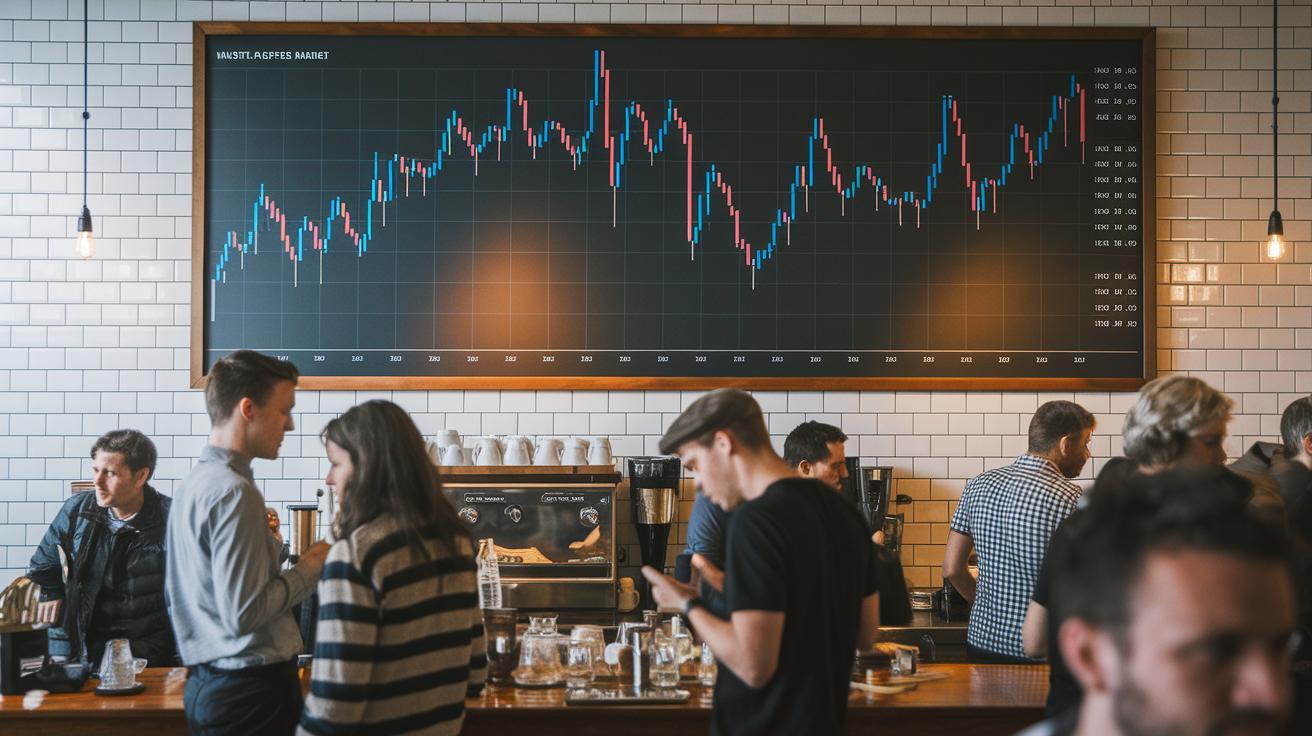
Over the past 40 years, coffee prices have moved sharply. In 1977, Arabica coffee reached a high of $3.10 per pound, which is about $17 in 2025 dollars. By 2018, prices dropped to under $1 per pound before bouncing back to over $4 per pound in 2024. These swings show how factors like Brazil's frost, supply hiccups, and shifting demand can change the market quickly. Each turning point offers clues about what is driving these changes.
Below is a table that highlights key moments in coffee pricing, both in basic dollars and when adjusted for inflation. This snapshot makes it clear how sudden events have shifted coffee values and gives context for today's pricing optimism. It also reminds us that coffee prices tend to move in cycles, pointing to the market’s potential for strong recoveries.
| Year | Nominal Price (USD/lb) | Inflation-Adjusted Price (2025 USD) | Key Notes |
|---|---|---|---|
| 1977 | $3.10 | $17.00 | Peak price |
| 2000 | $1.50 | $3.50 | Early recovery phase |
| 2018 | $0.90 | $2.10 | Market trough |
| 2024 | $4.00 | $4.50 | Current recovery |
Coffee Commodity Prices Soar with Market Optimism
Top line: Coffee prices have surged as a mix of supply issues and weather problems pushes up costs.
So what: Traders are actively hedging between physical coffee and futures as volatility continues.
Coffee costs are climbing for several clear reasons. Shipping delays and higher transport fees are pushing up the price of beans. Brazilian frosts have hurt crop yields and added upward pressure. In addition, changes in currency values are making imported inputs more expensive, prompting farmers to demand higher prices.
Key factors driving current bean prices include:
- Weather shifts and frosts
- Global shipping delays
- Currency swings in major markets
- Rising production costs at origin
- Added costs for certifications and quality standards
- Short-term trading pressures
Each of these issues contributes to higher prices by upsetting supply and raising production expenses. Even certifications like Fairtrade, which charge a premium, add extra costs without always guaranteeing better quality. Meanwhile, speculative trading continues to amplify price moves as traders wager on short-term changes.
Market players are watching these forces closely. The difference between physical coffee and futures pricing offers a handy hedge tool in this unstable environment. With many factors at play, the outlook remains unpredictable, and staying alert is key to managing risk effectively.
Coffee Commodity Futures and Price Projections

Top line: Coffee futures on major exchanges guide global prices through real-time data.
So what: Traders need to monitor supply factors and weather events to spot short-term moves and plan for mid-term trends.
In New York and London, regulated futures exchanges set the pace for coffee prices worldwide. Prices for Arabica and Robusta update by the second on platforms with high trading volumes, annual trades even outpace global coffee consumption. This high volume shows how these markets drive benchmark pricing and help traders hedge risk. Short-term price moves are common, so keeping a close eye on shifts is key.
Supply and demand drive near-term price changes. Seasonal factors, such as weather and planting cycles, can spark sudden price moves. Thanks to technology and computer trading systems (algorithmic models), live prices are easily available. These clear signals have boosted trader confidence that coffee futures reflect real market trends. You can check updated data on sites like BankingCorner.com for immediate insights.
Looking ahead, steady demand in major import regions and higher production costs will shape future trends. Experts use technical checks and policy reviews to forecast moves. As global supply chains adjust to disruptions, prices are expected to rise gradually with occasional spikes amid uncertainty. Traders should watch both basic market changes and overall sentiment to find opportunities. Regular analysis of futures trading offers key insights into the evolving dynamics of the coffee market.
Coffee Commodity Prices Across Regions: Export and Import Dynamics
Top line: Coffee prices change a lot around the world depending on local supply, demand, and trade costs. So what: Shifts in export and import dynamics steer these price changes and affect what buyers pay.
Coffee prices are like a global thermometer. They show up in many currencies, including USD, EUR, GBP, and AUD, and are shaped by regional demand and supply. When local trends shift, traders see clear price differences that matter for global trade.
Brazil (ticker: BRA, country leader) and Vietnam (VNM) lead coffee exports. Their large production shapes global supply, while key buyers in regions such as the EU and US add tariffs and extra transportation costs. This mix creates unique price levels in different markets.
Import prices factor in shipping fees, customs duties, and regulatory costs. For example, buyers in London often pay more due to higher logistics expenses, while prices in the Americas include extra charges from customs and transport. In short, global export strength combined with local fees keeps coffee prices in constant motion.
Quality also plays a role. Factors like climate and altitude help boost the price of coffee from specific origins. This means that a balance between high export production and strong import demand sets the stage for how coffee is priced in each region, with each market facing its own challenges and advantages.
Coffee Commodity Price Volatility and Risk Management

The coffee market can be unpredictable. Weather events like frost in Brazil or sudden policy changes can send prices either tumbling or surging. These events often widen the gap between the cash price and the futures price (a key industry measure). This gap warns traders and producers of increased risk and hints when hedging may be necessary.
To manage these risks, market players use various hedging tools. Instruments such as options and forward contracts let traders secure prices in advance. This approach helps reduce sudden losses during sharp market moves. It provides a safety net that supports steady earnings and makes planning easier for both producers and speculators.
Currency fluctuations further complicate coffee trading. Because coffee is priced worldwide, shifts in currencies like the USD, EUR, or GBP can change costs for international buyers and sellers. These effects can make supply shocks and policy changes even more disruptive. That is why using hedging strategies to counter both commodity price swings and exchange rate risks remains crucial.
Coffee Commodity Price Charts and Technical Insights
Coffee charts offer a clear view of pricing benchmarks on bean exchanges. They combine historical trend lines with volatility overlays to pinpoint key levels for Arabica and Robusta coffee. For example, a chart might track 10 years of price data, showing how supply shocks and market policy changes affect prices.
This section zeroes in on coffee-specific technical insights by filtering out broader market details. It uses targeted charting methods to spot subtle momentum shifts during key trading moments. One example compares a standard index graph with a chart enhanced for volatility, giving traders an early signal of rising market risk.
Final Words
In the action, this article broke down the current swing in coffee commodity prices, showing a climb beyond $4 per pound after years of lower levels. We explored trends from historical peaks to recent market drivers like weather events, shipping delays, and currency changes.
The discussion also covered live trading data, futures perspectives, and technical charts that traders can use to track real-time movements.
Keep these insights in mind as you watch for fresh trade ideas and manage your positions with confidence.
FAQ
What are today’s coffee commodity prices in USD and in the USA?
The coffee commodity prices today reflect the current market value, typically quoted in USD for US markets. Prices move with market uncertainty, and traders follow live data for real-time updates.
How are coffee commodity prices displayed using charts or graphs?
The coffee commodity price charts and graphs visually represent price trends and volatility over time. They offer traders a quick snapshot for identifying patterns and supporting timely decisions.
What is the coffee stock price?
The coffee stock price represents the market value of companies involved in coffee production or distribution. It is influenced by company performance and broader market sentiment.
What is the London Robusta coffee price today?
The London Robusta coffee price today is reported on regulated markets in London. It reflects current conditions in the robusta segment, influenced by regional supply and global demand.
What is happening to coffee prices?
Coffee prices are rising after trending lower for several years. Supply disruptions, weather challenges, and shifts in market sentiment are driving these changes, making price movements more noticeable.
Are tariffs going to raise the price of coffee?
Tariffs on coffee imports often lead to higher prices by increasing trading costs. These additional costs typically pass through the supply chain, affecting overall market pricing.
Will coffee prices increase in 2026?
Coffee prices in 2026 will depend on supply-demand fundamentals and weather impacts. Some analysts project moderate growth based on current market trends and risk factors.
Is coffee a good investment now?
Coffee can be an attractive investment due to market volatility and supply factors. However, investors should consider risks such as weather shocks and currency fluctuations before committing funds.