
MARKET BRIEF
Top line: Energy prices surged overnight, hinting at potential shifts in the market.
So what: Rapid moves in natural gas and oil could signal traders to tighten risk controls as supply and demand dynamics evolve.
Overview: Overnight, natural gas and oil prices jumped sharply. Key benchmarks like WTI Crude Oil (NYMEX) and Henry Hub posted fresh numbers that caught traders' attention. Live data shows sudden shifts tied to supply and demand changes, which could impact your next trade.
What to watch:
• WTI Crude Oil prices as updated on NYMEX
• Henry Hub natural gas numbers
• Trends in supply and demand shifts
Keep a close eye on these levels as you plan your next move.
Real-Time Natural Gas and Oil Prices Snapshot
Top line: Live market data lets you make quick, informed moves in energy markets. So what: Fast updates are key when unexpected news, like an OPEC+ decision, shifts the market.
Traders watch these live figures to catch changes as they happen. Real-time numbers help you see price momentum, compare benchmarks, and set up short-term trades or hedges. When events send the market reeling, such as sudden news on supply or demand, these figures give you the clarity you need.
For a closer look at how prices are moving, check out our interactive energy dashboard that provides continuous updates on barrel pricing and natural energy quotes.
| Price | Daily Change % | Last Updated |
|---|---|---|
| WTI Crude Oil (Nymex): $80.50 | +0.85% | 14:30 ET |
| Brent Crude Oil: $83.20 | +1.10% | 14:30 ET |
| Henry Hub Natural Gas: $4.25 | +0.65% | 14:30 ET |
Using these live stats, you can quickly assess if market movements signal broader trends or a response to new supply and demand data. This helps you stay ahead of the curve and adjust your trading approach as needed.
Historical Analysis of Natural Gas and Oil Price Trends
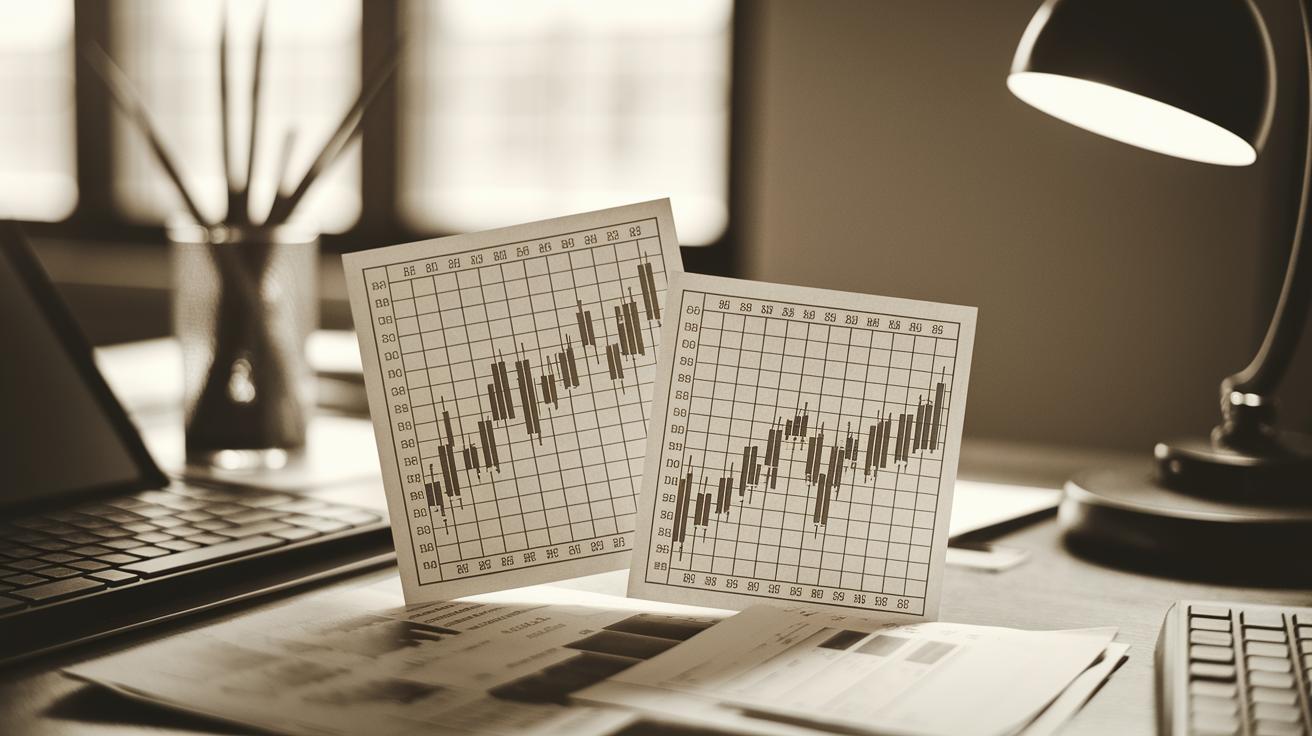
Historical context helps us understand today’s energy markets. By looking at 70 years of data, we can see how big events and market cycles drive price changes. Our interactive commodity charts show that trends often repeat. For example, a 10-year daily chart comparing WTI Crude (West Texas Intermediate) and Henry Hub Natural Gas makes it clear how global events ripple through energy prices.
Take a look at some key eras. In 1973, geopolitical tensions and OPEC shocks sent oil prices soaring, forcing traders to rethink their strategies. Then in 1986, prices collapsed dramatically, teaching everyone about the risks of oversupply and speculative bubbles. In 2008, record-high valuations emerged, fueled by strong demand and easy credit. More recently, the 2020 pandemic crash showed how a global health crisis can sharply cut demand and plunge prices. Each of these moments highlights recurring imbalances between supply and demand.
These historical lessons are crucial for today’s market analysis. They remind us that crises can eventually lead to recovery, and that current volatility might pave the way for future stability. Traders and analysts use these insights to spot key support and resistance levels and refine their risk management strategies. In short, decades of lessons, from early geopolitical shocks to modern disruptions, offer a solid framework for planning short-term trades and long-term energy investments.
Key Drivers of Natural Gas and Oil Price Fluctuations
Global energy demand and low U.S. inventories are pushing natural gas and oil prices higher. Industrial growth and rising energy needs keep demand strong, and U.S. stock data shows that even small drops in inventory can quickly move prices. For example, heavy use in heating and power generation often drives prices up even more.
On the supply side, production glitches and supply chain issues are tightening the market. A drone attack on a Saudi refinery and Chevron’s forced shutdown at the Leviathan gas field have reduced supply where it matters most. Qatar’s pause in LNG production and higher shipping costs after changes in Gulf war-risk insurance add to these challenges. Even minor output hikes from OPEC+ and weather disruptions contribute to the swift price swings we are now seeing.
Geopolitical Impacts on Natural Gas and Oil Prices
Top line: Tensions in critical energy regions are sparking sudden price moves that traders need to watch.
So what: Quick disruptions in these areas can lead to rapid changes in oil and natural gas costs, prompting swift market reactions.
Global instability can cause fast shifts in energy prices. When conflicts or political moves occur near major oil and gas hubs, traders react quickly. For example, problems in areas like the Strait of Hormuz or tough sanctions on key exporters often shake up global energy markets. In short, geopolitics plays a big role in how much oil and gas cost.
Key observations:
- In the Strait of Hormuz, rising tensions have pushed oil prices higher as traders fear supply cuts.
- A sudden Israeli shutdown at the Leviathan gas field spiked natural gas prices in the region.
- Qatar’s unexpected stop in LNG exports has tightened supplies and driven up spot gas prices.
- Sanctions on Russian energy exports have reduced available supply, pushing crude oil costs higher.
- Changes in OPEC+ production alongside surging tanker rates have added extra pressure on prices during already volatile times.
These events mix with wider supply and demand factors that affect both spot and futures markets. Traders keeping an eye on these signals are better positioned to manage risk and adjust their strategies during volatile periods.
Forecasting Natural Gas and Oil Price Movements
Short-Range Forecasts
Near-term outlooks hinge on sudden supply issues and current market signals. Analysts note that problems such as potential disruptions in the Strait of Hormuz could push Brent crude to $120 per barrel. A recent incident saw diesel prices jump 17% after a facility was damaged, showing how even single events can move the market. Traders keep a close eye on inventory data and unexpected geopolitical actions as early indicators. When a significant supply bottleneck emerged, prices spiked quickly, reinforcing the need to factor in sudden changes. Monitoring OPEC+ output adjustments and emergency production boosts is key, as any swift move can send prices up in this volatile market.
Midterm Projections
Looking out to 2026, experts use statistical models (econometric techniques) to gauge lasting effects on oil and LNG supplies. They factor in variables like shifts in production capacity, OPEC+ decisions, and changes in energy demand. The consensus now shows a market that remains sensitive to regional instabilities and potential supply limits. By mixing historical performance with current trends, analysts expect that while prices might settle, there is always a risk of quick surges. Traders and investors use both numbers and real-time market signals to fine-tune their strategies, where every data point matters.
Trading and Analysis Strategies for Natural Gas and Oil Prices
Traders use futures and other derivative tools to take advantage of shifts in energy prices. For instance, West Texas Intermediate Crude Oil (WTI Crude) and Henry Hub natural gas futures allow traders to lock in prices ahead of big moves. This gives them a fast way to tap into market changes while managing risk with leverage. In short, these tools help traders turn market uncertainty into clear trading chances.
Understanding market signals is just as key. When futures prices are higher than the current (spot) price, it is known as contango. If the spot price is higher, that is backwardation. These signals reveal what traders expect from future supply. High trading volumes also show that a real move may be underway. Using platform tools for real-time volume and benchmark comparisons further sharpens trading decisions.
Technical Pattern Highlights
Traders also rely on daily and longer-term charts to find important support and resistance levels. By studying chart patterns and volatility indicators, they can spot turning points and potential entry or exit cues. This technical approach gives clear signals for timing trades in a fast-moving market.
Risk management remains crucial. Setting stop-loss orders and sizing positions appropriately can help protect against sudden market reversals. Regular reviews of trade setups and keeping up with market news make it easier to control risk during volatile sessions. In these dynamic markets, a disciplined approach can keep losses to a minimum while supporting long-term strategies.
Final Words
In the action, the blog outlined a full spectrum of energy market insights. It walked through live price updates, historical trends, and key supply and demand drivers. We then discussed geopolitical shifts and forecast models that shape today’s markets.
The post offered clear, actionable trading ideas and analysis to guide your decisions. With a focus on real-time data and risk-aware tactics, using natural gas and oil prices can now become a more informed and confident strategy.
FAQ
What are the current prices for natural gas and oil?
Asking about current prices means you can view real-time data for WTI Crude, Brent, and Henry Hub Natural Gas. This snapshot helps traders pinpoint market levels for timely decision-making.
Where can I view live charts for natural gas and oil prices?
Inquiring about live charts refers to interactive graphs showing price movement and daily percentage changes. These visuals offer a concise overview of market trends for quick analysis.
What is the latest forecast for oil and natural gas prices?
The forecast combines expert analysis and market signals to predict future price movements. Traders use these insights to gauge supply disruptions and geopolitical risks affecting both oil and natural gas.
How does geopolitical tension affect gas prices?
This question highlights that conflicts and regional instability can push gas prices higher by disrupting supply chains and altering market sentiment, prompting traders to adjust risk before acting.