
MARKET BRIEF
Top line: Trading psychology is the key to steady decisions even in choppy markets.
So what: A disciplined mindset, smart risk control, and honest self-review keep you on track when losses hit.
Ever wonder why some traders keep cool when the market gets rough? It’s all about the way you think. Forex trading psychology builds confidence and shapes every decision you make. A small loss can spark frustration, leading you to stray from your trading plan. This guide shows how clear, disciplined thinking and balanced risk controls can turn mistakes into valuable lessons, keeping your trades steady even when emotions run high.
Essential Components of Forex Trading Psychology
Mental strength plays as big a role in trading success as knowing the technicals. Your state of mind can be the tipping point between a well-planned move and an impulsive error. For instance, if you regularly journal your trades, you might notice that a small loss can leave you frustrated, causing you to rush your next trade. That frustration can cloud your judgment and shift a solid strategy into a bad decision.
A steady approach built on discipline, consistency, and smart risk management is your trading foundation. Following your predetermined rules helps you steer clear of impulsive moves. By setting clear risk limits, like fixed stop-loss orders and sensible position sizing, you train yourself to focus on steady progress over quick wins. This method reduces costly, emotion-driven mistakes and keeps you in tune with the long-term market trends rather than short-term price jitters.
Continuous learning is key, too. Treat each trade as an opportunity to grow. Analyzing what went wrong after a trade helps uncover personal biases and missteps. Embracing mistakes as lessons not only improves your future trades but also builds the mental toughness needed to handle the forex market’s ups and downs.
Managing Emotions in Forex Trading Psychology
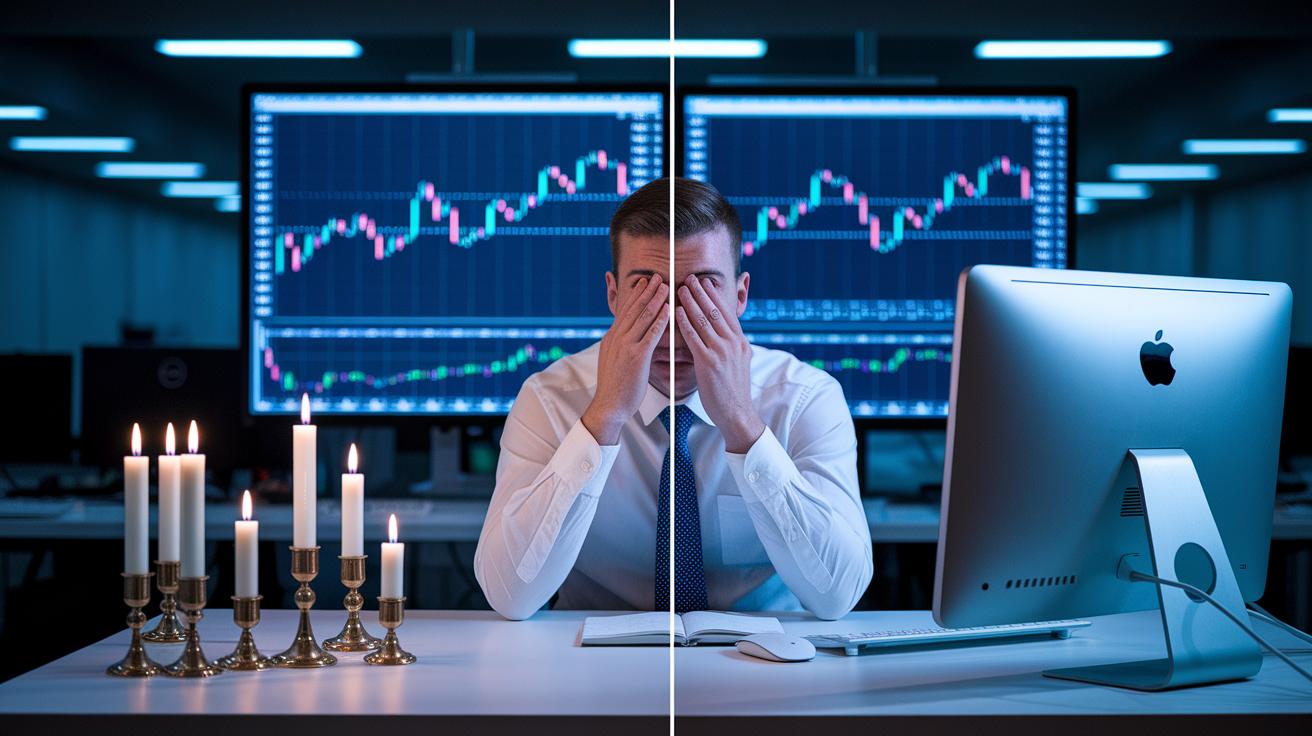
Trading decisions can be affected by strong feelings such as fear, greed, hope, and regret. Recognizing these triggers is key. For instance, if a trade moves against you, you might suddenly feel anxious. This spike in emotion signals that your mindset isn’t ready for clear, objective decisions and can help you avoid making a rash move.
Experienced traders rely on emotional discipline to stay in control during volatile moments. When you notice signs like overexcitement or constant doubt, it means your judgment may be off. This awareness allows you to hit pause and adjust your approach instead of acting on impulse.
- Fear can cause you to exit a trade too early.
- Greed might lead you to take on too much risk.
- Hope could stop you from cutting losses when needed.
- Regret can push you into revenge trading.
To manage these emotions during live trading, set personal rules. Consider taking regular breaks, practicing deep breathing, and keeping a detailed trading journal. These methods help keep your mind clear and focused, reducing the chance of making reactive decisions during market swings.
Cognitive Biases and Decision-Making in Forex Trading Psychology
Our natural thinking errors can get in the way of sticking to a trading plan. These mistakes twist our judgment and lead us away from careful analysis. Under market stress, you might find yourself chasing the latest trend, holding onto losing trades longer than planned, or overestimating your market calls.
| Bias | Impact on Trade |
|---|---|
| Confirmation Bias | Ignores data that contradicts your view |
| Loss Aversion | Keeps losing trades open too long |
| Overconfidence | Leads to too many trades |
| Recency Bias | Chases the newest trends |
To tackle these biases, work on your self-awareness and follow a clear, structured strategy. Keeping a detailed trading journal can help you spot repeated bias-driven mistakes. Regular review sessions let you question whether your choices were driven by emotion or pre-set beliefs. Plus, setting clear risk limits and fixed entry and exit rules ensures that logical analysis trumps gut feelings every time.
Building Discipline and Resilience in Forex Trading Psychology

Discipline in trading means following your set rules without giving in to impulse. Stick to your plan for entries and exits to keep emotions in check. For example, you might note, "Today, I entered EUR/USD at 1.1000 with a stop at 1.0950." This method keeps your decisions clear and consistent.
Resilience goes beyond just having profit targets and stop-loss levels. It means getting your mind ready for stressful market moves. Try adding short simulation drills or visualization exercises. When you face a string of losses, spend a few minutes picturing how you'll recover using your trading plan. This extra step can build your readiness without relying only on journaling or scheduled reviews.
When setbacks occur, focus on the process over the result. Quickly jot down what triggered a loss and any early warning signs you notice. For instance, you might record, "Loss on USD/JPY due to delayed reaction; next session, plan a quicker review." Such targeted notes help you adjust, build mental toughness, and keep your discipline solid even in tough market times.
Mental Training Routines for Forex Trading Psychology
A strong trading mindset starts with dedicated mental training. When you set aside time for these exercises, you build a system that sharpens your decision-making. With a clear head, every trade, whether profitable or not, becomes a learning opportunity. Plus, a steady routine cuts stress and keeps you focused when the market gets volatile.
- Keep a detailed trading journal.
- Practice deep breathing or mindfulness exercises (techniques that help calm your mind).
- Use a pre-session checklist to set clear goals.
- Review your performance after each session.
- Join peer discussion groups for shared insights.
By integrating these steps into your daily practice, you can spot patterns in your trades and find areas to improve. Mindfulness techniques help ease the pressure during rapid market changes, while a checklist ensures you enter with a solid plan. Regular reviews keep your strategy on track, and engaging with peers offers support, helping you learn and grow from every experience.
Integrating Risk Management with Forex Trading Psychology

Top line: Smart traders use tools like stop-loss orders, proper position sizing, and diversification to protect their funds and ease trading stress. So what: Setting clear trade rules builds confidence and helps you stay calm in volatile forex markets.
Successful traders lean on essential risk management tools such as stop-loss orders, matching each trade's size to available capital, and spreading out risks. These methods secure your money and cut down on the stress that comes with rapid market moves. By setting firm limits on every trade, you can boost your confidence and keep unexpected price drops in check. This clear focus is key when handling the fast pace of forex trading.
Pairing technical signals with personal checkpoints is a practical way to stay disciplined. When charts and indicators confirm a trade entry or exit, they serve as clear signals that can override any sudden emotional urge. A quick self-check before executing a trade ensures that decisions rest on solid analysis rather than fleeting feelings. This approach keeps you focused on the long-term strategy and minimizes the chance of impulsive moves.
Creating a balanced trade plan means merging risk controls with mental readiness. Each plan should include clear entry and exit points, set leverage limits, and outline checkpoints to assess your own state of mind. By building these elements into your strategy, you blend technical analysis with psychological discipline. The result is a well-rounded approach that safeguards your capital while keeping you confident in the market.
Final Words
In the action, this post broke down how mastering forex trading psychology drives better performance. We explored mental factors that shape trade outcomes and stressed the value of discipline, resilience, and structured routines.
The insights aim to boost clarity in risk management and decision-making. By integrating psychological strategies with technical frameworks, you can improve your trading approach. Keep refining your mindset for steady growth and remember that a solid foundation in forex trading psychology paves the way for continued market success.