MARKET BRIEF
Top line: Small manufacturers can quickly become global forces by tapping into interconnected markets.
So what: Global networks blend trade, labor, and capital, fueling unexpected growth and reshaping economies.
How can a small manufacturer quickly become a global force? Global markets are more than trade; they connect countries with goods, services, money, and labor. Picture a vast marketplace where local companies reach international customers and resources. This access can drive surprising growth. In this market brief, we explain what global markets mean and how they reshape economies, offering practical insights to boost your understanding.
Understanding Global Markets: A Comprehensive Definition
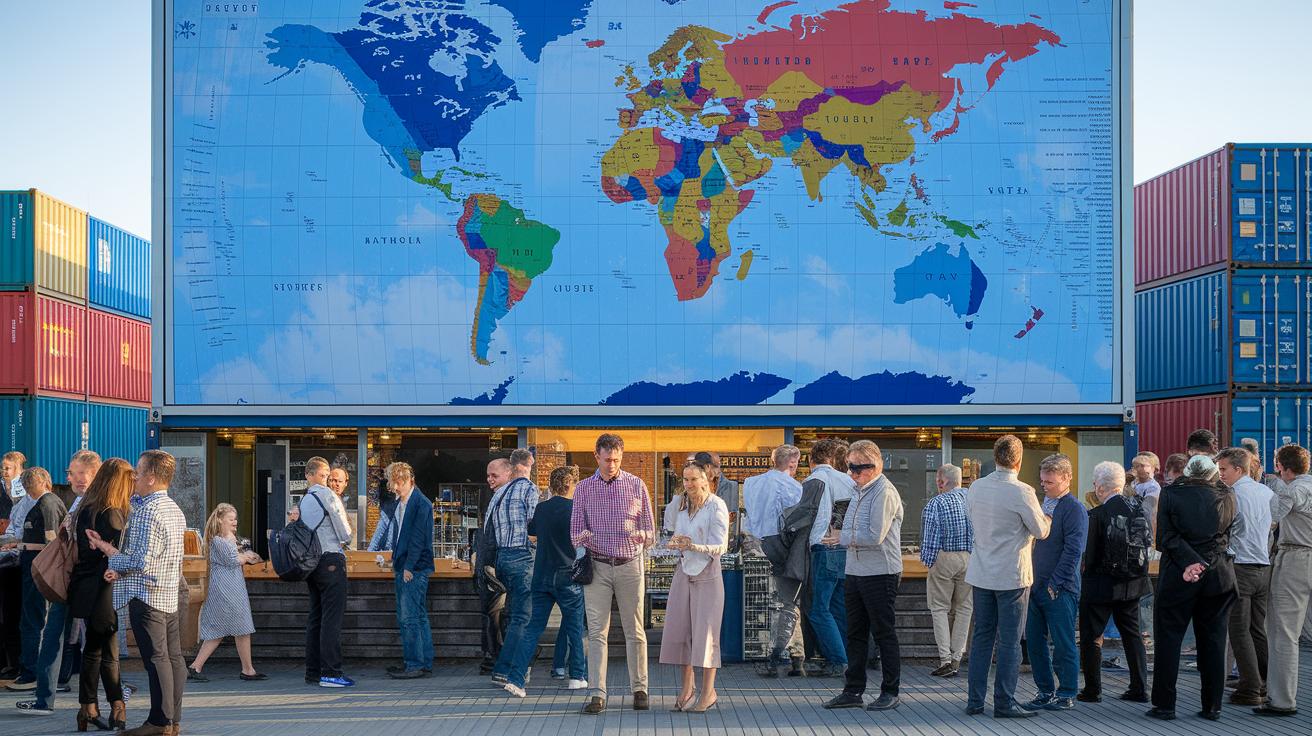
Global markets are the worldwide space where companies grow and trade with one another. They cover exchanges of goods, services, money, and labor across countries. Think of it as a big open market linking nations, where companies reach new customers and tap into varied resources. For instance, a mid-sized manufacturer exporting its products overseas becomes less reliant on its local market.
Exports and imports drive the global economy. Exports earn revenue for businesses, while imports deliver the raw materials and finished goods needed at home. Besides physical goods, money for business, often moved through loans, bond sales, or direct investments, is also crucial. This flow of capital fuels innovation and keeps economies resilient. For example, when a government issues bonds to fund a new transportation project, it sparks economic activity both domestically and internationally.
Global financial markets form a network where assets like stocks, bonds, derivatives (financial contracts), and currencies are traded. These networks connect borrowers, investors, and institutions around the world, making sure money moves freely and risks are managed effectively. In essence, global markets are about more than physical goods, they also involve the financial tools that drive economic integration and growth.
Key Components of Global Markets: Trade, Capital & Labor Flows

Global markets run on three main pillars: trade, capital, and labor movement. Recent shifts show that digital trade platforms and remote talent sourcing are growing fast. Take a startup that lands international funding online. It’s much like a chef finding rare spices on the internet to invent a new recipe.
Trade today is not just about moving physical goods. It now covers e-commerce and digital services that boost revenues and change supply chains.
Capital flows have grown faster with real-time access to credit and digital bond issues that cross borders. For example, picture a regional project that gets funded quickly with digital bonds. Fast funding like this can speed up growth significantly.
Labor is changing as remote work becomes more common. Digital platforms are making it easier for skilled workers to move to where they’re needed and send money back home, helping both economies.
Key components include:
- Trade: Both digital and traditional channels that balance supply with demand.
- Capital: Fast, agile financing that supports growth and innovation.
- Labor: Remote work platforms that improve access to global talent.
| Pillar | New Insight |
|---|---|
| Trade | E-commerce and digital services broaden market reach |
| Capital | Digital financing enables quick project funding |
| Labor | Remote work platforms boost global talent access |
Market Dynamics & Interdependencies in Global Markets
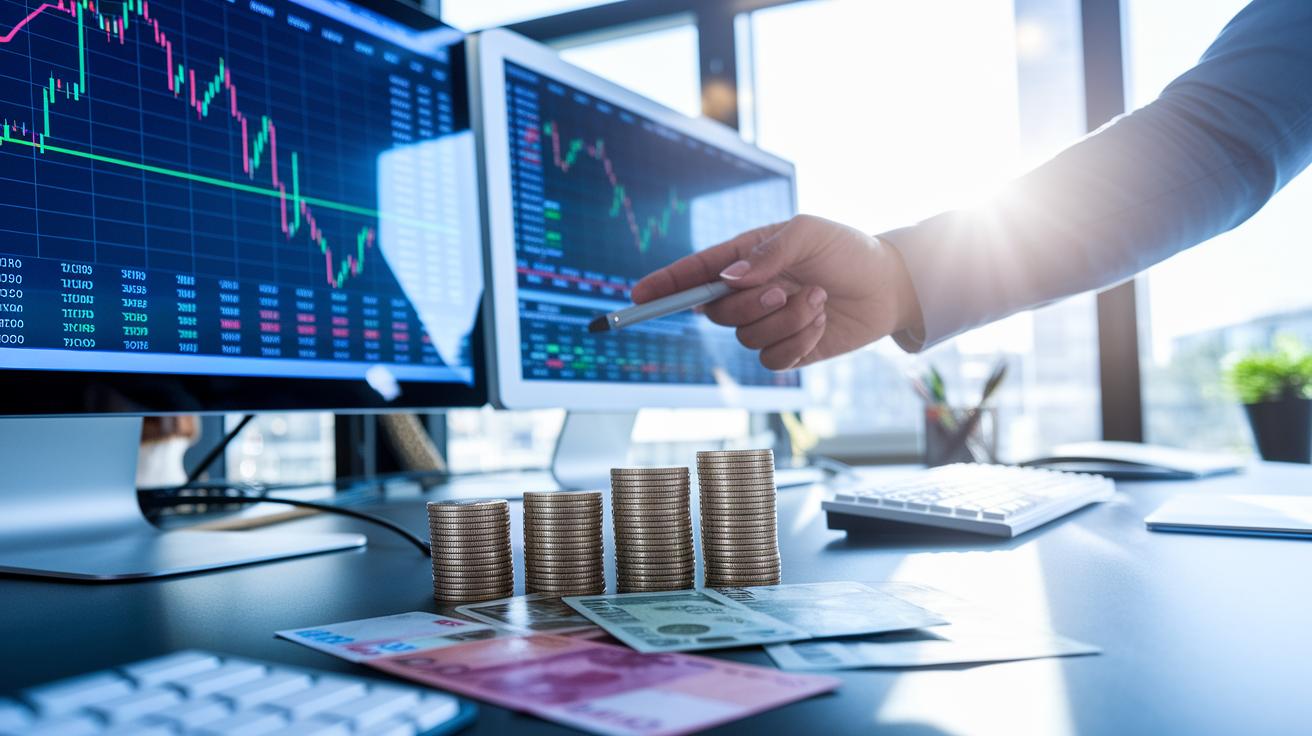
Top line: Currency markets (forex) are the busiest players and set the stage for global pricing on imports and exports.
So what: Quick moves in these markets can rapidly shift trade balances and impact prices around the world.
Currency markets lead in trading volume and shape how exchange rates move. These quick shifts affect pricing worldwide. For example, if the euro drops suddenly against the dollar, European goods can become cheaper for foreign buyers, quickly changing trade flows.
Financial tools like futures, options, and swaps help manage these risks. They let traders lock in prices and protect against sudden swings in currency values. Think of a manufacturer using futures to secure raw material costs when prices are unpredictable.
Economic data , like GDP growth, trade balances, and interest rates , work together in a feedback loop that can either steady or shake up the markets. Strong GDP growth in one region, for instance, might attract foreign investment, which can nudge local interest rates higher.
Key points include:
- Economic data blend into cycles that can stabilize or destabilize markets.
- Derivatives help manage risks from sudden price changes.
- Currency fluctuations impact global pricing and trade balances.
Put simply, price shifts, currency moves, and economic signals all work together to drive market volatility. Traders and policymakers watch these factors closely to gauge current conditions and spot risks that might spread beyond national borders.
Types of Global Markets and Asset Arenas
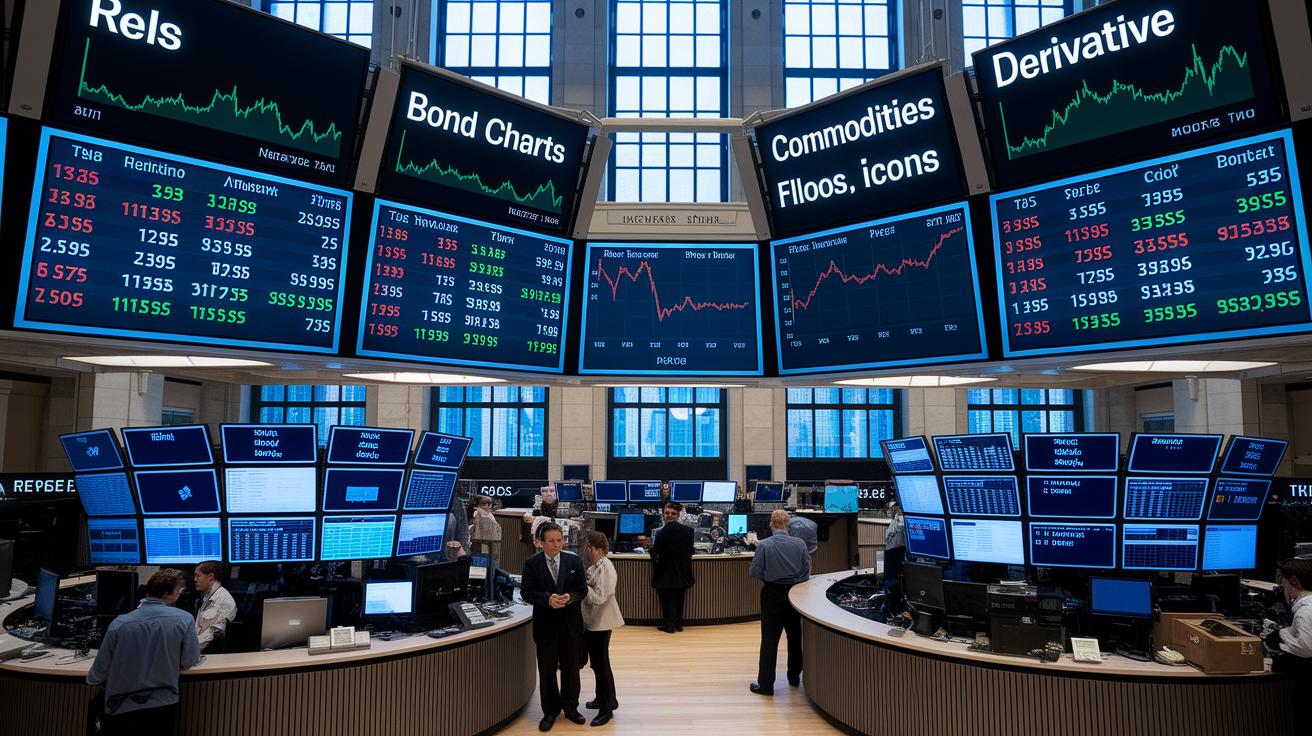
Global financial markets are divided into separate asset arenas that keep the world economy moving. These arenas include stock exchanges, bond markets, commodity markets, credit markets, and derivatives markets. Each one plays a clear role, from raising money and managing risk to finding fair prices and ensuring smooth trading.
Stock markets are busy places where shares are bought and sold. Major exchanges like the New York Stock Exchange (NYSE, US), London Stock Exchange (LSE, UK), and Tokyo Stock Exchange (TSE, Japan) let you trade ownership in companies. For example, at the NYSE, hundreds of trades happen every second, keeping pace with global economic activity. These markets boost investor confidence and open up different ways for companies to get capital.
Bond markets let governments and companies borrow money by issuing debt. Think of it like asking for a public loan to build vital infrastructure. This area supports long-term growth and helps fund key projects.
Commodity exchanges deal with physical goods like oil, metals, and agricultural products. Major centers in London, Chicago, and Shanghai set the prices for raw materials that power industries and everyday life.
Credit markets give businesses quick access to funds through tools like syndicated loans, commercial paper, and asset-backed securities. Picture a large company tapping into a syndicated loan to raise cash fast for a strategic deal.
Derivatives markets offer contracts such as futures, options, and swaps to help manage risk and handle sudden price changes. For example, a commodity producer might use a futures contract to lock in prices and protect income from market swings.
| Market Arena | Main Function |
|---|---|
| Stock Markets | Raising equity capital and facilitating share trading |
| Bond Markets | Issuing debt for governments and companies |
| Commodity Exchanges | Discovering prices and trading raw materials |
| Credit Markets | Providing short-term funding through loans and securities |
| Derivatives Markets | Managing risk with hedging instruments |
Role of Global Markets in Economic Growth & Risk Management

Top line: Global markets boost growth by opening funding doors and managing risk with smart tools. So what: They help fuel projects, upgrade technology, and lessen the hit from local downturns.
Global markets give businesses easier access to the money needed to build new projects and upgrade technology. When companies tap into these funds, they drive innovation and push economic growth forward. At the same time, spreading investments across different regions lowers the chance that problems in one area will hurt the whole business.
Key benefits include:
- Capital Access: Provides the funds needed for innovation and growth.
- Diversification: Spreads out risk, so local issues don’t knock the overall system down.
- Hedging Tools: Uses methods to protect margins when the market gets wild.
For instance, a company that uses various funding sources along with hedging strategies can better stabilize its costs during tough times. This balanced strategy means that while growth is pushed forward, risks are also kept in check.
Examples of Global Markets in Action

Global markets show how theory works in real life. For example, the foreign exchange market sees more than $6 trillion traded every day. That massive volume sets the rates, which in turn affect the prices of imported and exported goods. A sudden change in a currency can make foreign products cheaper overnight and shift trade patterns across the globe.
Major exchanges also play a key role. The New York Stock Exchange (NYSE, US) is the largest in the world by market cap. It mirrors investor mood and wider economic trends every day. Likewise, the London Metal Exchange (LME) is vital for pricing industrial metals and setting key global benchmarks.
Eurobond issues add another layer by financing cross-border debt in different currencies. This helps governments and companies secure funding for important projects. Together, these examples illustrate how different markets and instruments connect to create a global financial ecosystem.
| Example | Description |
|---|---|
| Foreign Exchange | More than $6 trillion traded daily, shaping global prices |
| NYSE | World’s largest stock exchange by market cap |
| LME | Key hub for setting industrial metals prices globally |
| Eurobonds | Enable governments and companies to borrow in various currencies |
Final Words
In the action, we explored key elements of global markets, from trade, capital, and labor flows to the interconnected dynamics of various asset arenas. We broke down how exchanges, derivatives, and economic indicators all fuel market behavior. This comprehensive look clarifies the global markets definition, making it easier to grasp the underlying mechanics driving economic growth and risk management. The insights offer a clear roadmap to understanding and navigating these dynamic systems. Stay positive, stay informed, and trade wisely.
FAQ
What is the meaning of a global market?
The global market means the international arena where companies trade goods, services, capital, and labor across borders. It combines economic and business activities to drive cross-border growth.
What is found in a Global Markets Definition PDF?
The Global Markets Definition PDF provides a detailed explanation of global market components. It outlines trade, capital, and labor flows, serving as a resource for understanding international economic interconnections.
What does global markets mean in banking?
Global markets in banking refer to cross-border financial operations, including currency exchanges, bond and equity trading, and risk hedging. These activities support banks’ international funding and investment strategies.
What are examples of global markets?
Global market examples include major stock exchanges like the NYSE (New York Stock Exchange), international forex markets, and commodity exchanges such as the London Metal Exchange, all facilitating worldwide trading.
What is a global market index?
A global market index is a statistical measure tracking a diverse basket of international stocks. It reflects overall market trends and provides insights into the performance of global economic sectors.
What is meant by nonprofit and government markets?
Nonprofit and government markets refer to sectors where public institutions and charitable organizations engage in economic transactions, typically guided by social policies and public funding rather than profit motives.
What does global mean?
Global means relating to the entire world. In economics, it describes markets and activities that span multiple countries, demonstrating the interconnected nature of international trade and finance.
What falls under global markets?
Global markets encompass the exchange of goods and services, capital trading, labor mobility, and sectors like commodities, credit, and derivatives trading, all forming key parts of the international financial system.
What are the three types of global markets?
The three types of global markets include the goods and services market, capital markets (equity and debt), and labor markets, each playing a crucial role in global economic activity.