MARKET BRIEF
Top line: Global economy on track for a boost. Forecasts show 3.5% GDP growth and inflation near 4% by 2026.
So what: Steady policy action and emerging market optimism could spark new opportunities across regions.
Forecasts suggest the global economy may surge despite ongoing uncertainties. We expect a 3.5% increase in global GDP and inflation to hold steady around 4%. When the world’s major economies sync up, trade tends to gain steam and consumers gain confidence. This coordinated growth implies that careful policy moves and optimism in emerging markets could drive a steady recovery, opening fresh investment avenues for traders and investors alike.
What to watch:
• GDP growth hitting 3.5%
• Inflation steady at 4%
• Coordinated policy moves and strong emerging markets driving recovery
Global Economic Outlook for 2026: Forecast and Analysis
Global forecasts show a steady expansion for 2026, with global GDP expected to grow by 3.5%. Inflation is likely to stay around 4% as central banks keep their rate changes cautious. You should expect small interest rate hikes as conditions change, setting up a recovery that is both active and measured.
Key drivers behind this outlook include increased trade momentum, rising commodity prices that may push prices higher, and improved consumer confidence supporting spending. For example, a recent survey found that consumers in emerging markets saw a 20% jump in optimism. This strong sentiment hints at more domestic spending even amid global uncertainty. Combined with careful central bank moves, these factors should help boost growth across regions.
| Indicator | Forecast |
|---|---|
| Global GDP Growth Rate | 3.5% |
| Headline Inflation | 4% |
| Benchmark Interest Rates | Modest adjustments expected |
| Trade Volume Growth | Strengthening trends |
| Consumer Sentiment | Cautious optimism |
Major economies will play a big part in shaping the outlook. The United States is set to lead with strong domestic demand, while China’s ongoing industrial expansion and supportive policies keep momentum high. In Europe, tighter fiscal policies and slow monetary tightening work together to balance risk and growth. Together, these economic powerhouses will guide market trends and investor sentiment throughout 2026.
US Economic Projections 2026: Growth, Deficit, and Fiscal Policy
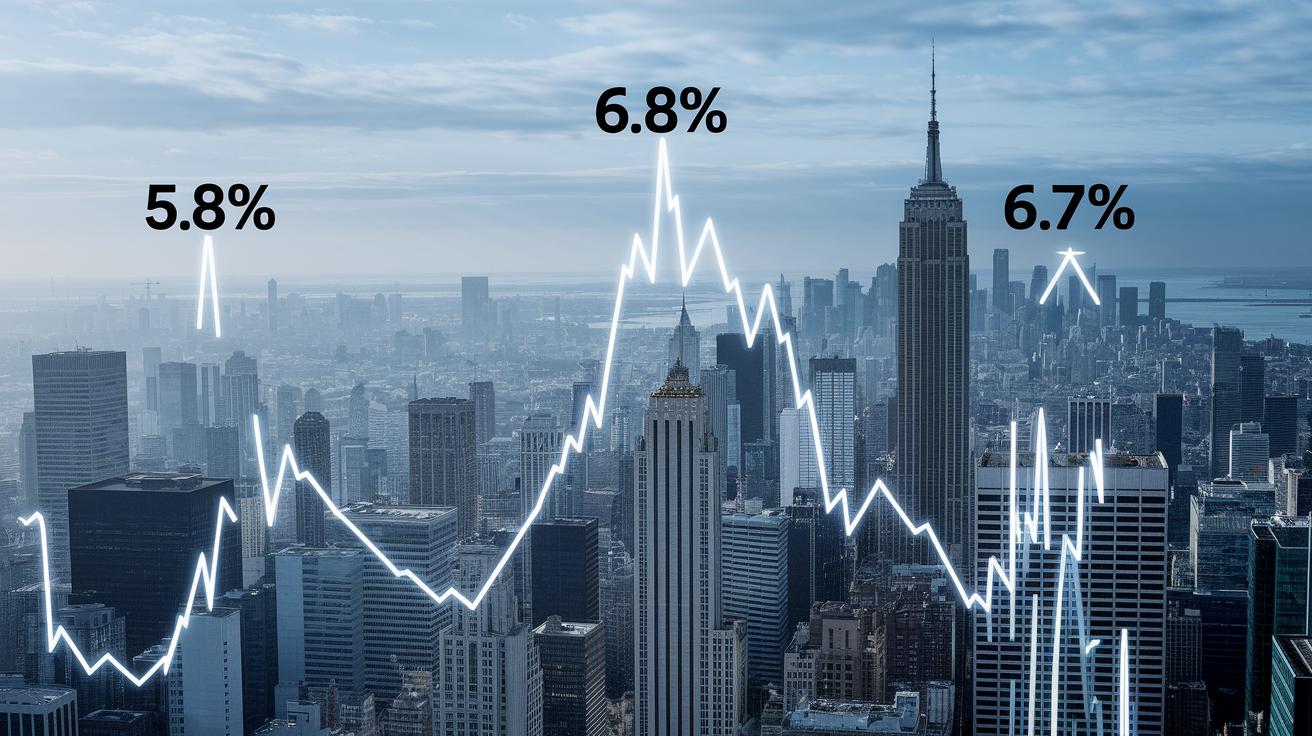
Top line: Modest, steady GDP growth faces rising debt and deficits, putting fiscal balance under pressure.
The Congressional Budget Office expects steady real GDP growth through 2025 and into early 2026. In 2025, GDP growth remained steady, and that momentum continued into early 2026, helping boost consumer and business spending.
Federal debt is climbing. The report projects that debt held by the public will rise from 99% of GDP in fiscal year 2025 to 120% by 2036. Similarly, the fiscal deficit is expected to expand from $1.8 trillion (5.8% of GDP) in fiscal year 2025 to $3.1 trillion (6.7% of GDP) by 2036. These increases are driven largely by spending in areas that are not easily adjusted.
A funding lapse for the Department of Homeland Security on February 14, 2026, underscores the challenges of managing a tight fiscal space.
Key non-discretionary spending drivers include:
- Health care
- Retirement benefits
- Interest on debt
- Veterans programs
These critical spending areas are at the core of fiscal pressures. Policymakers now face the challenge of supporting growth while keeping debt levels in check. Reforms like adjusting eligibility criteria and finding efficiencies in federal programs will be essential. Without such measures, the growing fiscal imbalance could hurt investor confidence and long-term economic stability.
Regional Economic Projections for 2026: Europe, Asia, and Emerging Markets
Top line: Varied regional trends set the stage for a mixed economic performance in 2026. So what: Investors need to watch inflation and fiscal policies as each region brings its own set of opportunities and risks.
In Europe, growth is steady but faces limits due to slow reforms and political uncertainty. Over in the Asia-Pacific region, robust tech advances and strong trade are keeping growth high, even though supply chain hiccups and geopolitical tensions pose challenges. Emerging markets in Latin America and Africa are on track for solid expansion, but high inflation and fiscal imbalances remain concerns. Meanwhile, the Middle East is expected to see modest gains as oil reliance and occasional political unrest hold it back.
| Region | GDP Growth (%) | Inflation (%) | Key Risks |
|---|---|---|---|
| Europe | 2.0% | 2.5% | Political uncertainty, slow reform |
| Asia-Pacific | 4.0% | 3.8% | Geopolitical tensions, supply chain issues |
| Latin America | 3.5% | 6.0% | Currency volatility, political instability |
| Africa | 4.2% | 7.0% | Inflation volatility, debt concerns |
| Middle East | 2.8% | 3.5% | Oil dependency, political unrest |
Asia-Pacific stands out with strong growth driven by technological innovation and expanding trade networks. Africa and Latin America also show promising growth, though they must grapple with high inflation. Europe’s slow but steady progress and the Middle East’s cautious recovery paint a picture of diverging regional forces. Investors should pay close attention to inflation trends and fiscal policies to navigate the changing economic landscape in 2026.
economic outlook 2026: Dynamic Growth Surges Ahead

Top line: Companies are shifting gears by investing more in advanced technology and modernizing their operations to boost efficiency and spark innovation. So what: This fresh approach signals a move toward sectors ready to grab new market opportunities.
Business spending is on the upswing as firms funnel extra capital into key sectors. They are putting more money into tech upgrades such as AI (artificial intelligence) and smart automation, a trend that marks a clear shift from old ways of doing business. As one executive put it, businesses never imagined an AI-powered world before the recent digital wave.
Technology Sector
Companies in tech are speeding up their adoption of AI and increasing research and development. They are pouring funds into automation and cloud solutions that promise quicker service and wider market reach.
Manufacturing Sector
Factories are modernizing by embracing automation and digital tools to strengthen supply chains. Investments in new machinery and digital logistic systems are cutting production cycles and reducing delays.
Consumer Services
Retail is evolving as online and offline experiences blend. Enhanced e-commerce platforms are boosting online sales, while traditional stores are refreshing their customer experiences to stay competitive.
| Key Trend | Impact |
|---|---|
| Tech upgrades | Fuel faster digital transformation |
| Manufacturing automation | Boost production efficiency |
| E-commerce growth | Reshape retail landscapes |
| Overall investment surge | Signals a strong move toward resilient, innovation-driven sectors |
Risks and Scenario Analysis for the 2026 Economic Outlook
Top line: Moderate growth with steady inflation keeps the economy balanced, but risks remain as conditions change.
Baseline Scenario: Moderate Growth, Inflation Near Target
In this scenario the global economy grows at a steady pace while prices stay near central bank goals. Businesses and consumers adapt slowly, leading to modest spending increases and a low risk of recession. Policy moves are predictable and any signs of rising inflation prompt slow and measured interest rate adjustments. The setup relies on stable trade and controlled government spending to support a balanced recovery.
So what: Markets should remain calm, with low volatility and steady progress.
Upside Scenario: Faster Digital Adoption, Stronger Trade Rebound
Rapid adoption of digital technology boosts productivity and drives stronger consumer activity. As trade barriers fall, global market activity picks up and economic growth accelerates beyond baseline expectations. Although short-term market shifts may introduce some volatility, the overall positive sentiment is expected to strengthen investments and push recovery further.
So what: Traders may see increased momentum and rising confidence in investment activity.
Downside Scenario: Geopolitical Shock, Tighter Monetary Policy Missteps
Here, rising geopolitical tensions disrupt trade and unsettle investors. A reactive monetary policy creates tighter credit conditions, which adds to recession risk. Market confidence dips, and economic performance could weaken further, underlining the need for careful policy adjustments.
So what: Investors should brace for potential market downturns and exercise timely, cautious risk management.
What to watch:
- Diversification in risk management strategies
- Adjusted portfolio allocations in volatile periods
- Flexible fiscal policies to counter trade and geopolitical challenges
Final Words
In the action, we broke down global, US, regional, and sector-specific outlines to give you a clear snapshot of the economic outlook 2026. We highlighted key drivers from GDP growth and inflation to central bank actions and fiscal policy shifts, along with risk scenarios that could reshape market paths.
This brief recap equips you with data-driven insights to quickly spot trading opportunities and manage risk with confidence. The positive momentum ahead invites further exploration and tactical decision-making.
FAQ
What are the key global economic predictions for 2026?
The global economic outlook for 2026 indicates moderate GDP growth near 3.5%, inflation around 4%, and steady trade momentum. Reports from the IMF, World Bank, and OECD suggest recovery with regional differences.
What insights does the IMF World Economic Outlook 2026 offer, including its PDF version?
The IMF World Economic Outlook 2026 report, available as a PDF, outlines forecasted global growth, inflation trends, and key risks while emphasizing regional dynamics and central bank policies amid a steady recovery.
What does the World Bank and OECD economic outlook for 2026 indicate?
The World Bank and OECD outlooks for 2026 foresee moderate economic expansion and stable inflation. They stress the importance of structural reforms, address regional disparities, and highlight evolving trade policies.
Will there be a recession in 2026?
The possibility of a recession in 2026 remains uncertain. Most forecasts lean toward moderate growth, but potential geopolitical shocks and monetary policy missteps could spark downturns in vulnerable regions.
What is the financial market outlook for 2026?
The financial market outlook for 2026 anticipates steady growth supported by economic recovery and moderate inflation. Investors should remain vigilant for geopolitical risks and policy shifts that may affect market stability.