MARKET BRIEF
Top line: Markets move differently. Bull markets steadily climb with optimism and only small dips, while bear markets fall quickly as caution sets in.
So what: Spotting these trends early can help you adjust your strategy and catch economic signals before the market shifts.
Some markets charge ahead like bulls, while others slip down like bears. In a bull market, prices rise steadily with minor pullbacks that keep optimism alive. In contrast, bear markets drop fast because fear and caution take over. Recognizing these patterns early means you can tweak your tactics and be ready when the market changes.
Bull vs Bear Market: Defining Key Differences
Top line: Bull markets see prices rise at least 20% from recent lows, while bear markets drop by 20% or more from highs. So what: Recognizing these shifts can help you adjust your strategy before market momentum changes.
A bull market happens when prices climb at least 20% from their lows. This rise is usually fueled by strong economic growth, higher GDP, low unemployment, and friendly interest rates. Markets often trend upward for long periods, sometimes even decades. For example, if the market climbs 22% due to robust consumer spending and optimism, that upward push is much like a bull thrusting its horns upward.
In contrast, a bear market takes hold when prices fall 20% or more from recent highs. This drop often comes during economic slowdowns, with falling GDP, higher unemployment, and rising interest rates. Imagine indices falling 20% after negative economic reports; this signals a shift from optimistic buying to cautious selling, similar to a bear’s downward swipe.
Investors usually recognize these trends only after the key thresholds have been breached. Bull markets tend to last longer and may experience small corrections that don't break the overall uptrend, while bear markets can be shorter, as seen during the four-month downturn in spring 2025 when sentiment turned negative quickly.
Understanding these differences means you can monitor clear economic signals and price moves, allowing you to adjust your strategy promptly when the market shifts.
Core Attributes of a Bull Market
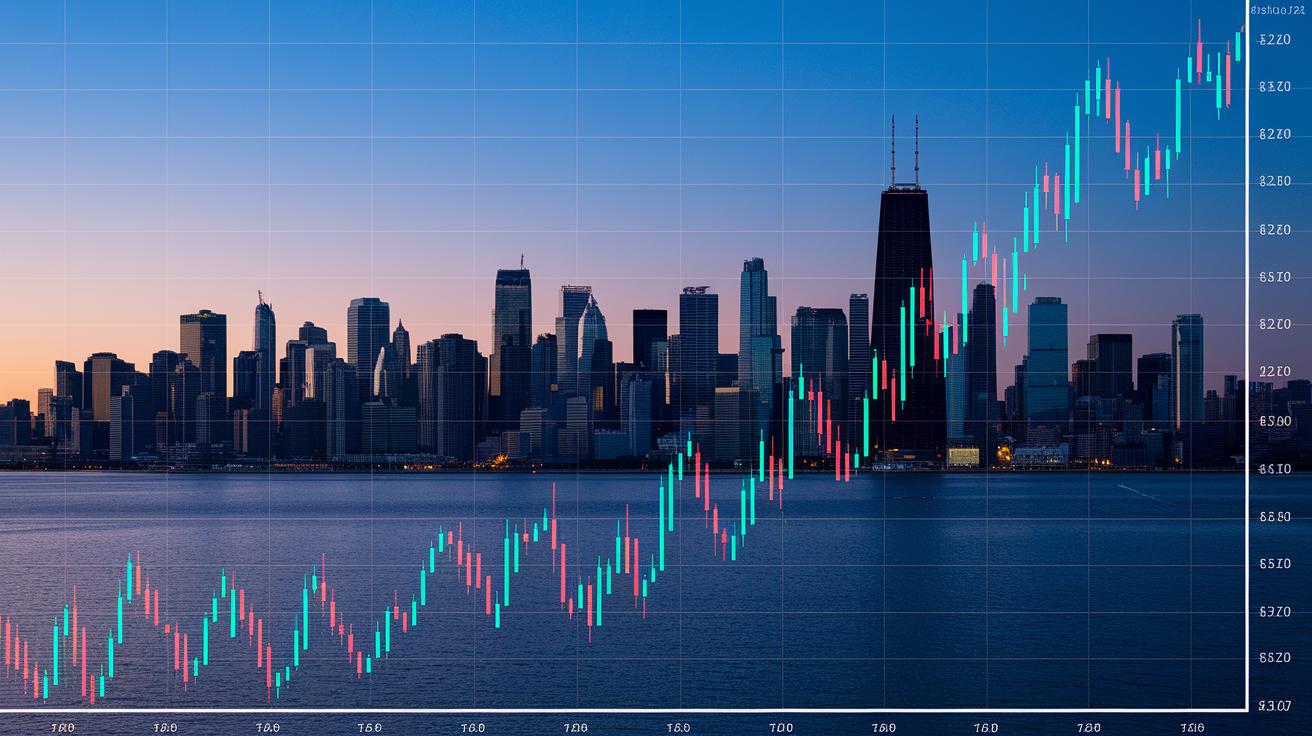
Top line: Bull markets steadily climb with short, small pullbacks that simply reinforce the upward trend.
In a bull market, prices keep rising over time. For example, the Dow moved higher in November 2022, the Nasdaq Composite picked up in May 2023, and the S&P 500 showed gains in July 2025. These dates add detail to the trend without rehashing basic economic ideas.
Investor behavior is key. When you see a sector like technology climb 25% during a burst of innovation, it shows strong market confidence. This is more than just low unemployment or good rates. It reflects the market’s strong appetite for growth.
Short corrections rarely change the overall direction. Traders watch for small changes in sentiment and behavior as signals to stay engaged rather than overreact to brief dips.
Core Attributes of a Bear Market
Top line: A bear market typically means prices have fallen 20% or more from recent highs, pushed by weak economic data.
In a bear market, key economic signs include slowing GDP, rising unemployment, and high interest rates. These signals push investors to move money into defensive sectors such as utilities and healthcare, industries that traditionally hold up better under stress.
Take the spring 2025 downturn as an example. Major U.S. indices dropped quickly, prompting traders to shift their investments toward sectors known for stability. When one major index fell 22% in a single quarter, many moved funds into healthcare and utilities to protect their portfolios.
What to watch:
- Price declines over 20%
- Shrinking GDP indicating economic contraction
- Increasing unemployment and high interest rates that tighten market sentiment
In a bear market, a winning strategy means not only preserving your capital but also making tactical moves toward defensive investments to maintain stability in uncertain times.
Economic Cycle Overview of Bull vs Bear Markets

Bull and bear market cycles show clear shifts in the economy. Key numbers like GDP, unemployment, and credit conditions matter a lot. Historical trends tell us that market ups and downs often follow familiar economic ideas. For example, available money (liquidity) and how investors feel work together. Think of market mood like water in a pond. When water rises, people feel optimistic. When it falls, caution spreads.
Advanced indicators can help you spot when a cycle is about to change. Here are a few key measures:
- Yield curve inversion signals slowing growth.
- Market breadth compares the number of stocks that are rising with those that are falling.
- The VIX (a measure of volatility) shows rising uncertainty.
| Indicator | Measurement | Insight |
|---|---|---|
| Yield Curve | Short-term vs long-term rates | An inverted curve often signals an approaching slowdown. |
| Market Breadth | Advancing vs declining stocks | Weak breadth may warn of a cycle change. |
| VIX | Implied volatility | Higher levels can indicate rising uncertainty. |
Historical data backs up these indicators. For example, past cycles show that a yield curve inversion occurred about 12 months before a recession. This served as a key warning sign for investors.
Investor Sentiment and Psychology in Bull vs Bear Markets
Top line: Investor sentiment drives market trends. When positive headlines and strong data spark confidence, investors buy and push prices higher. Conversely, negative news can create fear, leading to increased selling.
So what: Watch for signs of extreme optimism or deep pessimism. These shifts often signal when a market reversal may be coming.
What to watch:
- Overenthusiastic buying that may overheat the market.
- Deep pessimism that can lock in sell-offs.
- Extreme readings on sentiment indexes like AAII and VIX (volatility index, a gauge of market fear).
Often, investors wait too long to adjust their strategies. An overly bullish market can quickly correct, while sustained bearish sentiment might drag prices further down before recovery begins. Recognizing these mood swings can offer a useful edge whether you are chasing the rally or preparing for a downturn.
Performance Indicators & Technical Signals in Bull vs Bear Markets

Traders keep an eye on technical signals to catch market turns and trends. During an uptrend, a moving average crossover, for example, when a 25-day average moves above a 50-day average, often shows strong buying pressure. Other tools like the RSI (a measure of momentum) and MACD (moving average convergence divergence) back up this view. A rapid spike in volume also adds confidence, as it shows real market participation. For example, a quick volume surge along with a favorable MACD crossover once triggered a rally that outperformed the broader market by 7% in just a few days.
On the flip side, down markets reveal different cues. When prices drop below key support levels, when volatility rises, and when there are heavy sell-offs, it suggests selling pressure may continue. If indices slip under a major moving average, many traders treat this as a strong warning sign. They may tighten risk controls or switch to more defensive stocks. Often, you’ll see a rotation where money moves from cyclical stocks to more stable ones, frequently alongside negative signals in trend indicators.
What to watch:
- Moving average crossovers that confirm trend shifts.
- RSI levels dropping below important thresholds.
- Sudden volume surges that point to panic selling or strong buying.
- Breakdowns of support levels along with signs of sector rotation.
Investment Strategies for Bull vs Bear Market Environments
When the market is rising, it makes sense to put some of your money into growth stocks and smaller companies. These investments can swing higher and offer bigger returns when things are good. At the same time, keep your overall portfolio spread out to reduce risk. You might want to avoid putting too many funds in giant companies since they often lack that extra punch. For example, a small tech firm that beats expectations can boost a well-rounded portfolio quite a bit.
In a falling market, shifting your focus to more defensive sectors like utilities, healthcare, and consumer staples (everyday necessities) can help manage risk. Many investors set stop-loss orders (automatic sell orders that limit losses) to control downside risk. Others might hedge with options, hold more cash, or even take short positions. Think of it like carrying an umbrella when you see dark clouds – a few extra precautions can help keep your portfolio from taking a heavy hit.
It’s also important to adjust your time horizon depending on market conditions. Short-term trades face more wild swings during downturns, while long-term investments in solid companies tend to weather the storm better.
| Market Phase | Key Strategy |
|---|---|
| Bull | Focus on growth stocks, small-cap names, and maintain broad diversification |
| Bear | Move toward defensive stocks, use stop-loss orders, consider hedging, and hold more cash/short positions |
Tailoring your risk profile to match the market cycle is a key step toward smart investing.
Final Words
In the action, we've broken down the differences between bull and bear market phases. We explained how a bull market lifts prices with strong economic drivers, while a bear market shows weight from drops amid uncertainty. The blog covered core attributes, investor sentiment, and technical signals that help clarify bull vs bear market (key differences). This recap offers a clearer picture and equips you with actionable insights. Stay observant, manage risk wisely, and look ahead with confidence as market cycles continue.
FAQ
Bull vs bear market key differences chart
The bull vs bear market key differences chart demonstrates that bull markets feature rising prices, robust economic indicators, and optimism, while bear markets show 20%+ declines, economic contraction, and negative sentiment.
Are we in a bull or bear market
The question “Are we in a bull or bear market?” asks you to analyze current economic indicators—GDP, employment rates, and technical signals—to determine if market conditions favor rising trends or steep declines.
Why is it called bull and bear market
The name “bull and bear market” comes from visual metaphors: bulls thrust upward with strong momentum, while bears swipe downward, reflecting the positive and negative market trends respectively.
Bull vs bear market key differences 2022
The bull vs bear market key differences 2022 highlight that during bullish phases, indices climbed amid low unemployment and optimism, whereas bearish periods were marked by significant corrections and economic uncertainty.
Bull and bear market definition
The bull and bear market definition distinguishes a bull market—characterized by a 20%+ rise from lows and strong economic signals—from a bear market, where a 20%+ drop accompanies negative sentiment and economic decline.
Bull vs bear market when to buy
The inquiry “bull vs bear market when to buy” suggests that buying during a bull market captures upward momentum, while a bear market may offer opportunities near market bottoms, provided economic recovery signs emerge.
Bull and bear market examples
Bull and bear market examples include the Dow’s rise beginning in November 2022 during a bull market and the spring 2025 downturn, when major indices plunged before a rapid, short-term recovery.
Bulls and bears Trading
Bulls and bears trading refers to how traders adjust strategies: bullish traders buy on rising momentum and optimism, while bearish traders hedge with short positions and focus on defensive assets amid declines.
What is the main difference between a bull market and a bear market?
The main difference between a bull market and a bear market is that bull markets experience rising prices and confidence, whereas bear markets endure significant price drops and growing pessimism.
What is the 7% rule in the stock market?
The reference to the 7% rule in the stock market relates to an average return guideline that many use to set expectations, keeping in mind that actual returns vary with market cycles and conditions.
Who owns 90% of the stock market?
The concept that someone owns 90% of the stock market points to the influence of large institutional investors and mutual funds, which control a significant portion of market capitalizations and drive major trends.
What to invest $1000 into right now?
The question “what to invest $1000 into right now” advises considering diversified options such as exchange-traded funds, quality stocks, or defensive sectors, suitable for your risk profile and current market conditions.